Looking for a beach home that offers more than sand and sunsets? In Cherry Grove, you are not just buying into a Fire Island address. You are stepping into a community shaped by history, creativity, and a seasonal rhythm that feels unlike anywhere else on Long Island. If you are considering a purchase here, it helps to understand how legacy and lifestyle come together in daily life. Let’s dive in.
Cherry Grove Stands Apart
Cherry Grove is one of 17 Fire Island communities preserved within Fire Island National Seashore. Local sources describe it as a small resort community with roughly 250 to 300 homes, which gives it an intimate scale that many buyers find appealing.
What makes Cherry Grove especially distinctive is that it functions as both a beach neighborhood and a cultural landmark. It has long been associated with LGBTQ+ life, seasonal living, and an arts-centered social scene. For many buyers, that blend is a major part of the draw.
Cherry Grove’s Historic Legacy
Cherry Grove’s identity did not happen overnight. Local history sources connect its growth after the 1938 hurricane to its later role as a safe haven, and the Cherry Grove Archives Collection describes it as the earliest known haven for LGBTQ people and allies in the United States.
That legacy still matters today because it shapes how people experience the community. The Grove is known not only for its setting on Fire Island, but also for its long-standing sense of expression, creativity, and belonging.
The Community House and Theatre Matter
One of Cherry Grove’s most important landmarks is the Cherry Grove Community House and Theatre. National Register materials note that the community house dates to 1944, with the theater addition following in 1948.
Those same materials describe the building as a rare pre-Stonewall record of an entire LGBTQ community. Preservation sources also recognize the theater as one of the earliest continuously operating gay theaters in the country, which gives the neighborhood an unusually strong cultural foundation.
Daily Life Works Differently Here
If you are used to mainland living, Cherry Grove requires a mindset shift. The National Park Service says there are no paved public roads within Fire Island National Seashore, so daily movement is built around walking and water access rather than driving.
That car-free setup is not a novelty. It is a core part of how the neighborhood functions. Once you arrive, you move through the community on foot, and the boardwalk system becomes part of your routine.
Ferry Access Shapes Your Routine
The main mainland connection is the Sayville Ferry, which runs from River Road in Sayville to Cherry Grove. The ferry reports that the one-way trip is about 20 minutes, making access manageable but more planned than a typical drive-to beach town.
For buyers, this means every arrival, grocery run, guest visit, and service appointment works on a different rhythm. If you value convenience in the form of sidewalks, parking, and quick car access, Cherry Grove may feel less flexible than a mainland neighborhood.
Boardwalk Living Is Central
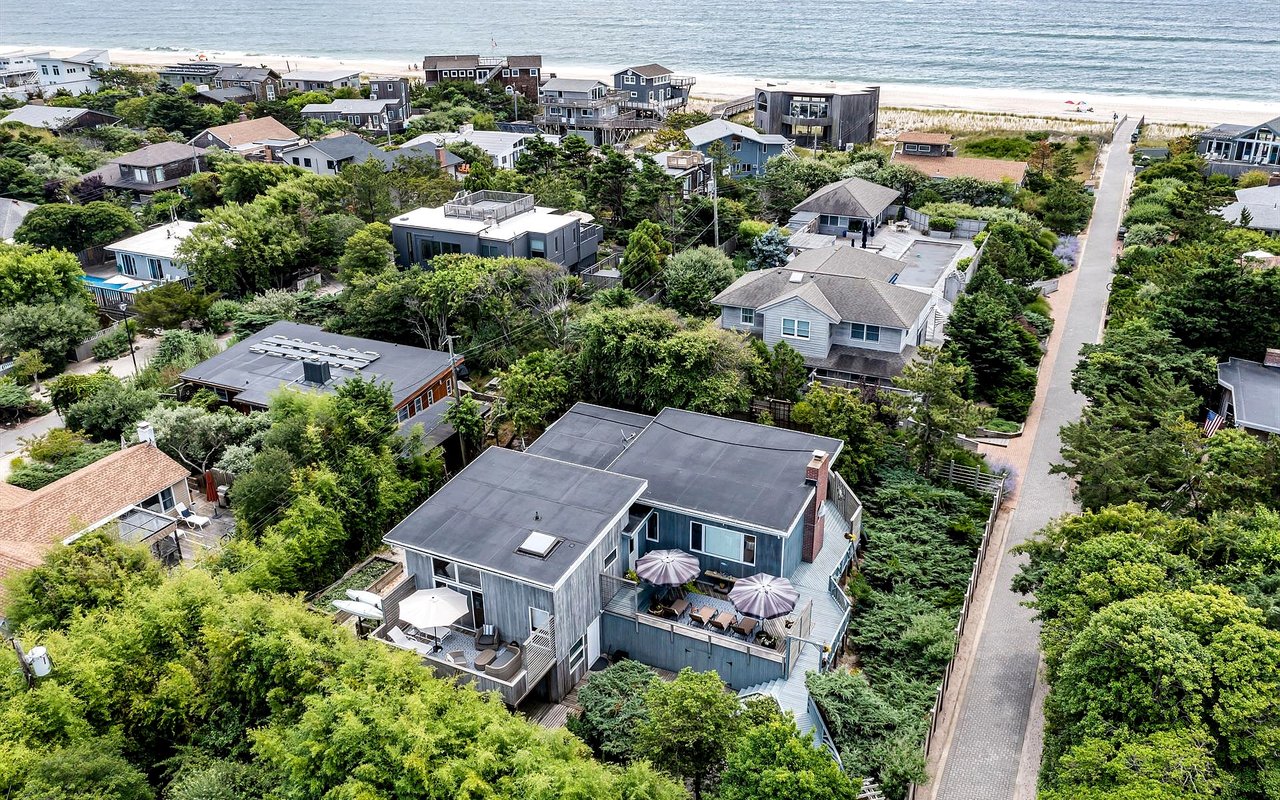
Cherry Grove’s layout reflects a pedestrian lifestyle. Community Association materials show a town organized around named walks, including Ivy, Sumner, Maryland, Main, Ocean, Surf, Beach, Sea, East, and West.
That setup gives the neighborhood a close-knit feel, but it also highlights the importance of infrastructure. The association says it is working with local officials on better boardwalks, a new dock, and a restored Community House, which tells you that maintenance and access are central to the community experience.
Deliveries Take More Planning
Logistics are another key part of buyer expectations. Sayville Ferry’s freight and parcel policies note that larger items may need to move through a separate weekday package boat, and passenger boats may limit freight during busy periods.
In practical terms, that affects furnishing a home, scheduling renovation materials, and handling larger supply runs. If you are buying in Cherry Grove, planning ahead is not optional. It is simply part of owning property here.
What Homes Typically Feel Like
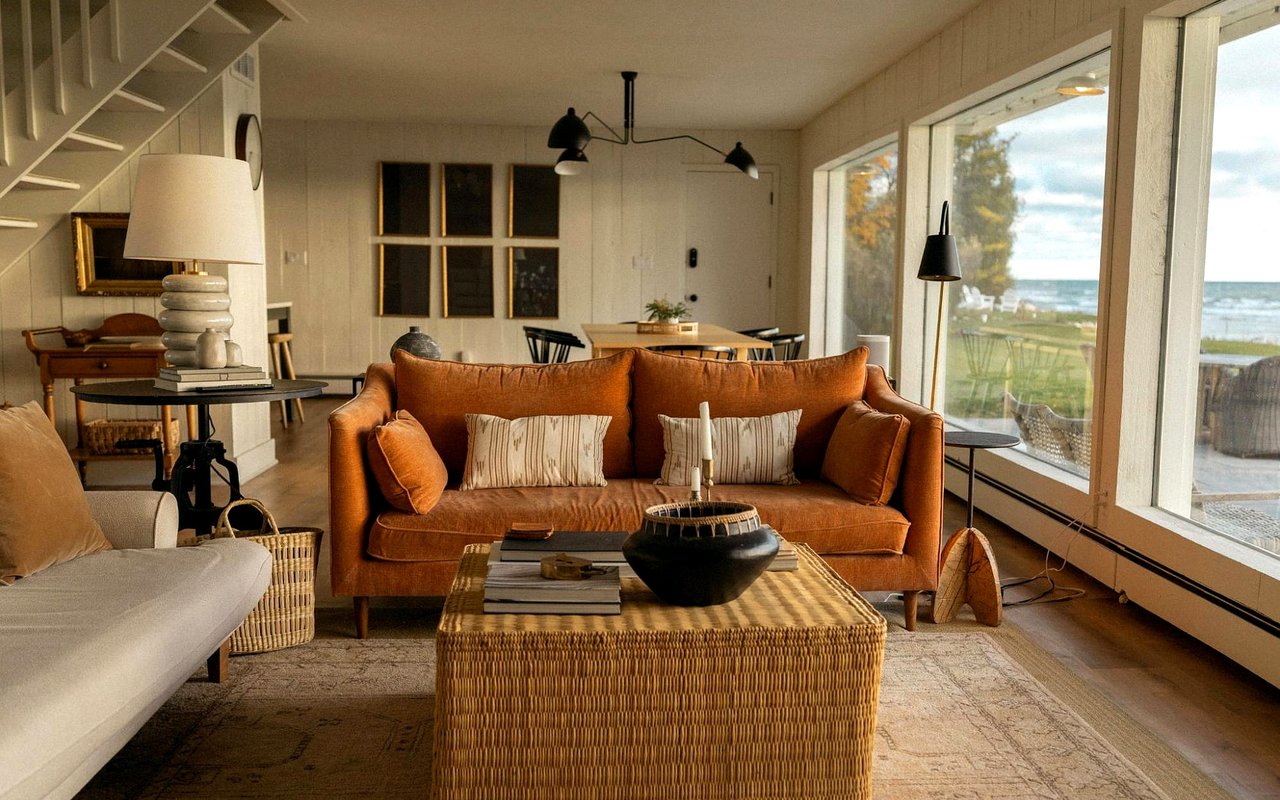
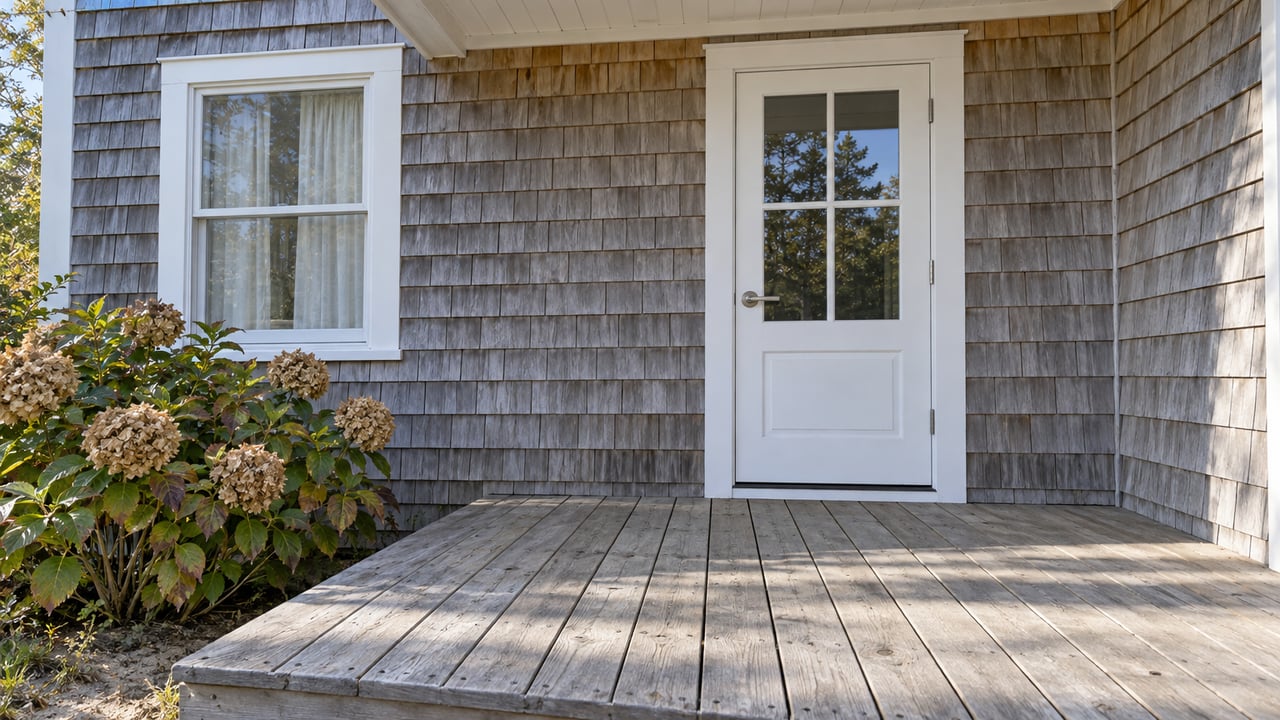
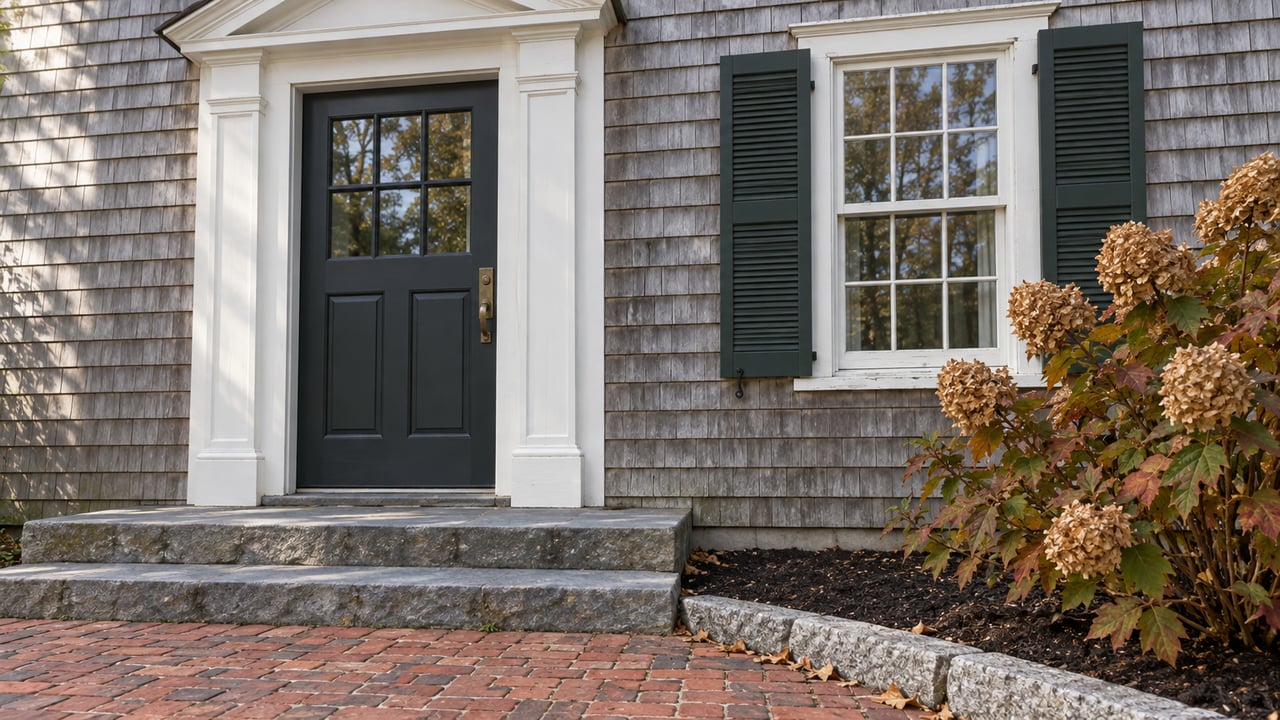
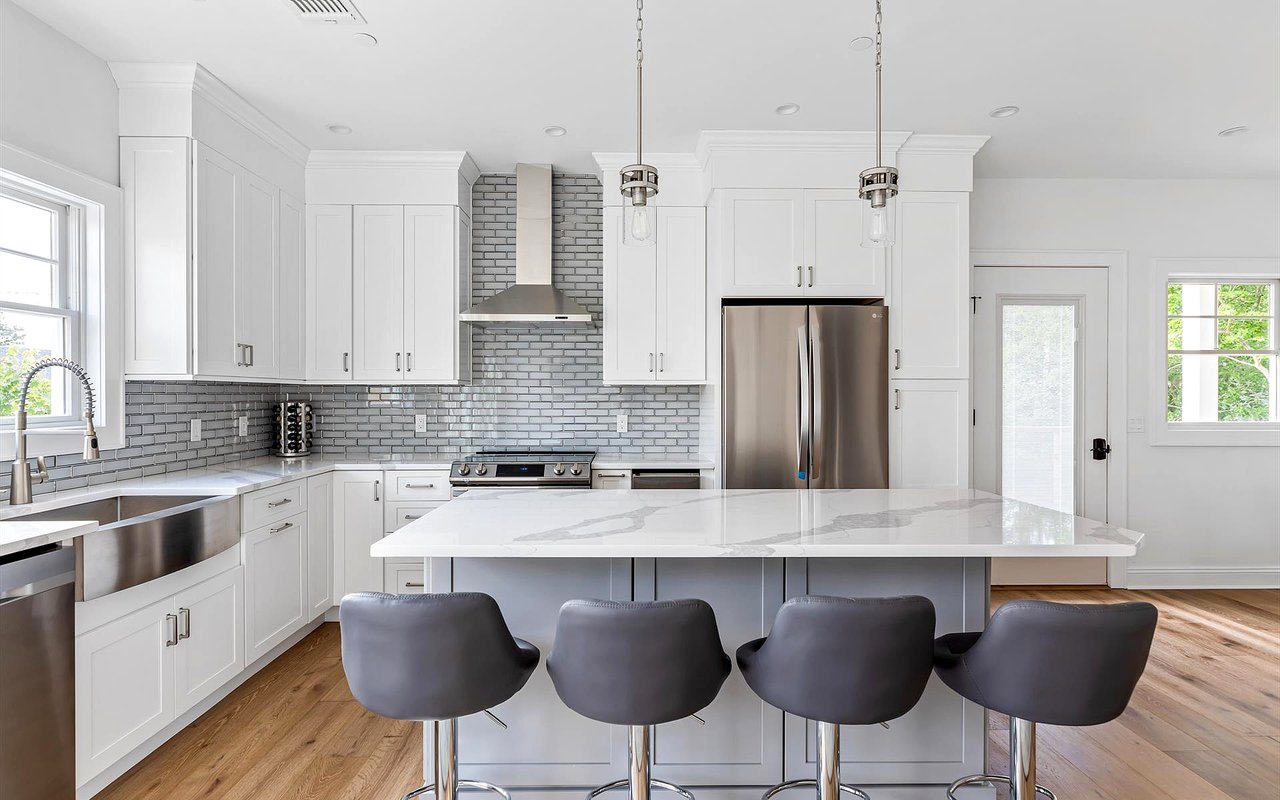
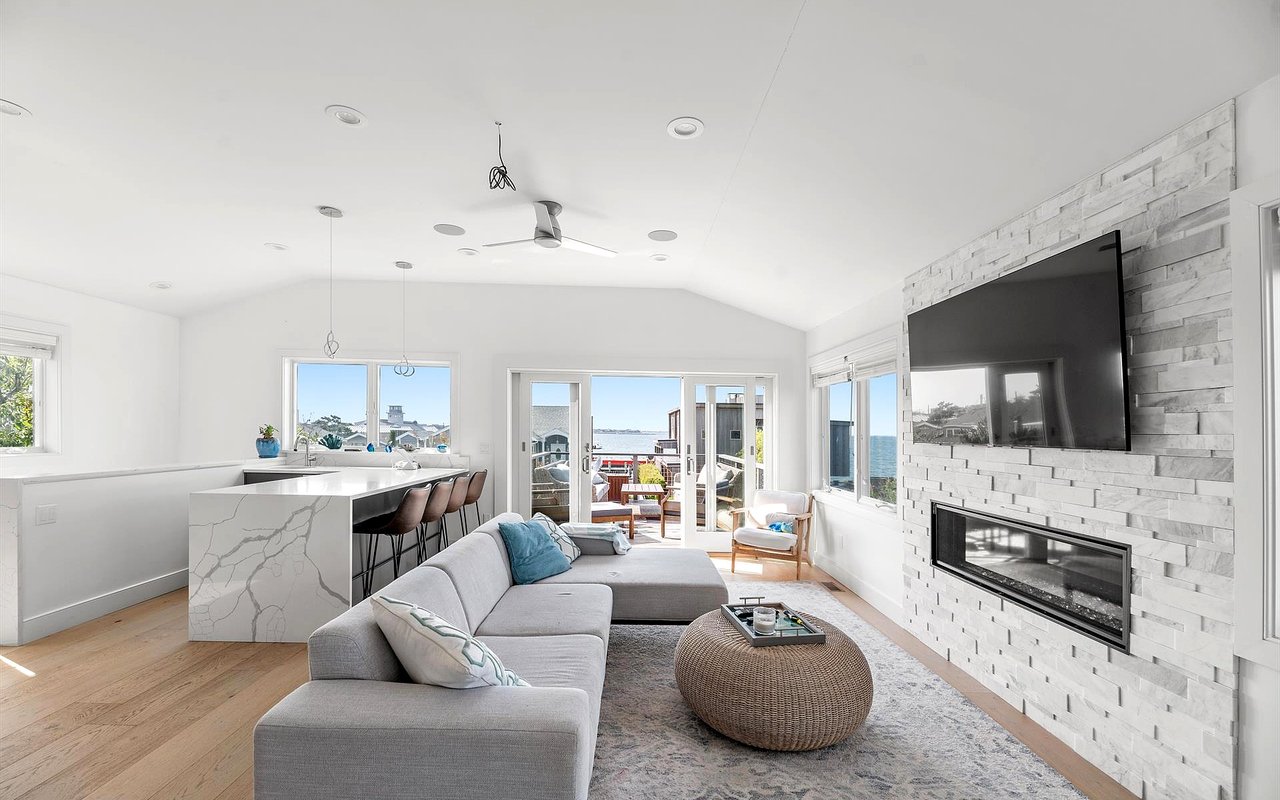
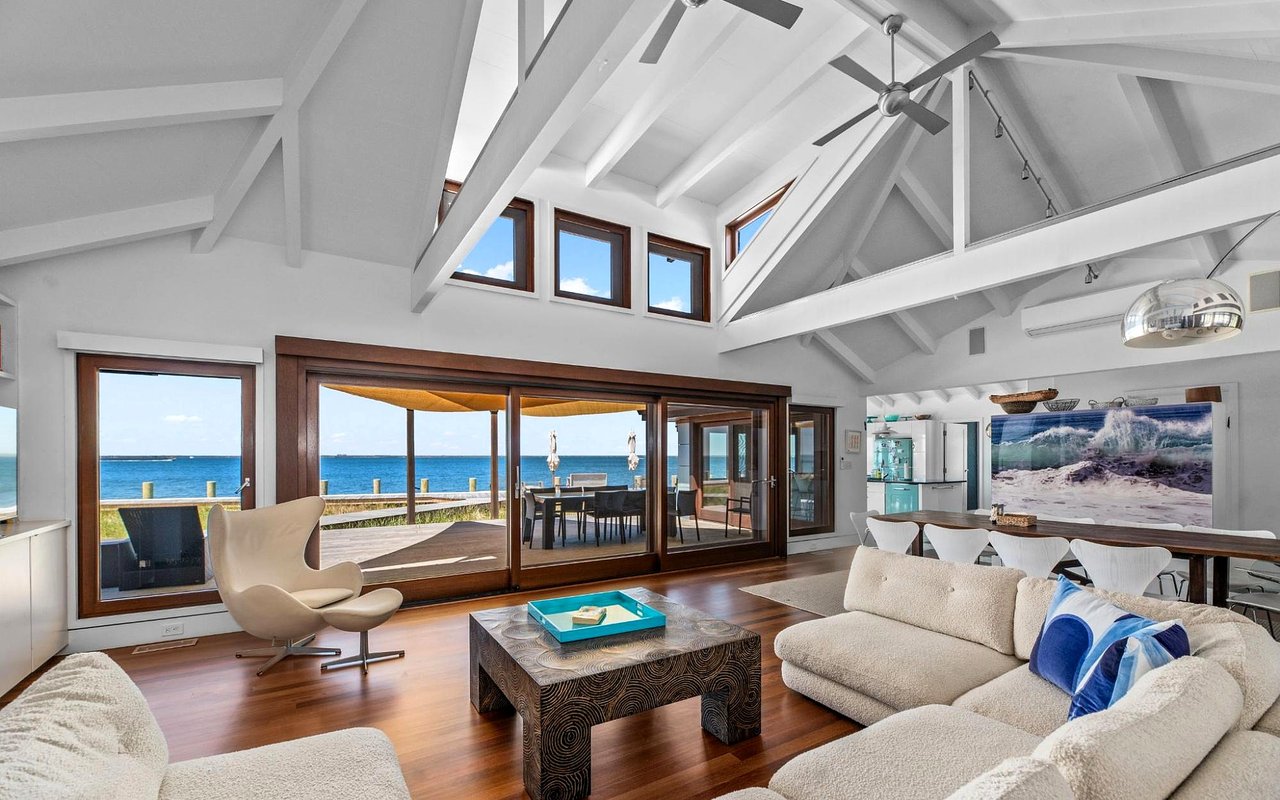
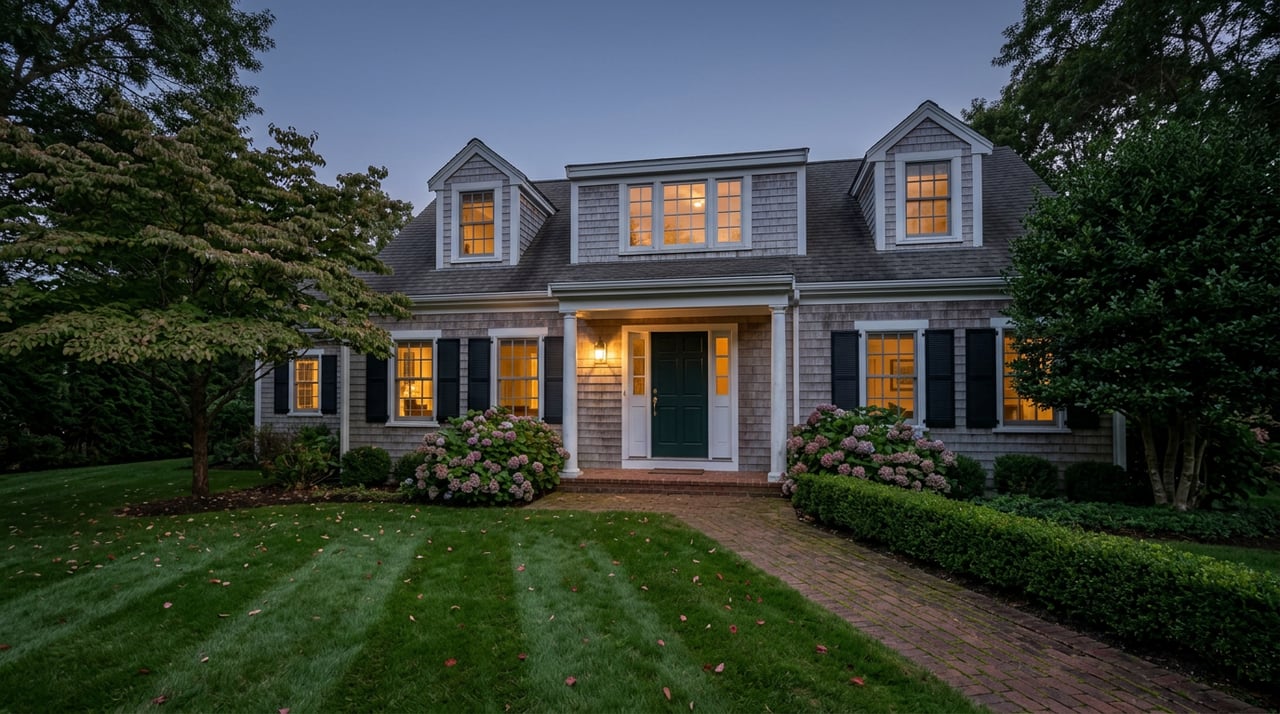
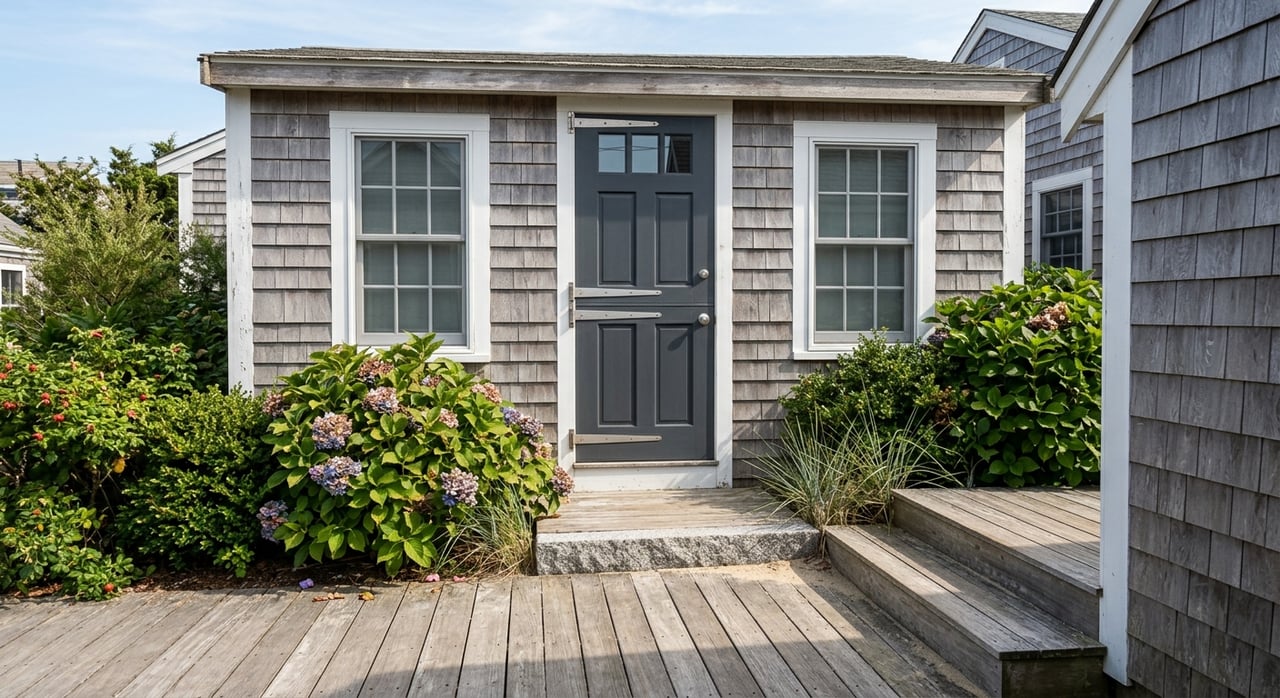
Cherry Grove’s housing stock is varied, but the overall character is small-scale and beach-oriented. Community sources describe homes ranging from modest cottages to more substantial shingled and sleek designs.
The National Park Service describes the Carrington House as a typical early twentieth-century beach bungalow with a single-story form, front porch, and wood-shingle cladding. That helps frame the local architectural baseline. In Cherry Grove, the feeling is generally more cottage-like than suburban.
Expect a Seasonal Ownership Pattern
The housing market here also follows a different pattern than many Long Island communities. The National Park Service notes that Fire Island communities include rental properties, summer homes, and year-round residences, with much smaller winter populations than summer populations.
Cherry Grove Community Association materials describe a mix of property owners, seasonal renters, single-day visitors, and business owners. For many buyers, that means the market is best understood as a second-home and seasonal-lifestyle market rather than a typical full-time commuter market.
The Seasonal Rhythm Is Part of the Appeal
Cherry Grove changes noticeably with the calendar. Winter is quieter, while summer brings a major increase in population and activity across Fire Island communities.
That swing is not a drawback for the right buyer. In fact, many people see it as a benefit. You can enjoy a calmer off-season atmosphere while still having access to a lively summer environment filled with dining, social events, and cultural programming.
Arts and Community Define the Experience
In Cherry Grove, the arts are not a side feature. They are part of the neighborhood’s identity. The Arts Project of Cherry Grove currently lists weekend series, cabaret, playreading, Broadway sessions, and community events.
Its archive materials say the organization has produced hundreds of summer-season events at the Community House since 1948, including theater productions, cabaret acts, art exhibitions, and film festivals. For buyers who value culture as part of daily life, that kind of programming adds a meaningful layer to homeownership.
Community Traditions Still Matter
Cherry Grove’s sense of place is reinforced by community traditions. One of the best-known examples is the annual July 4 Invasion, when drag queens travel from Cherry Grove to Fire Island Pines.
Local history sources connect that event to a 1970s refusal of service in drag. Today, it stands as a highly visible expression of the Grove’s history, resilience, and communal spirit.
Who Cherry Grove May Suit Best
Cherry Grove tends to fit buyers who want a walkable, ferry-dependent, seasonal home base with a deep cultural identity. It can be especially appealing if you are looking for a second home, a vacation property, or a place where beach living and community character are equally important.
It may be less ideal if you want easy car access, simple freight handling, or a low-maintenance suburban routine. The setting is special, but it asks you to embrace a different pace and a different set of day-to-day logistics.
What Today’s Buyers Should Keep in Mind
If you are exploring Cherry Grove, it helps to look beyond the home itself. You will want to think about access, seasonality, boardwalk navigation, and how often you plan to use the property throughout the year.
You should also consider how much you value the neighborhood’s history and arts culture. In Cherry Grove, lifestyle fit is just as important as square footage or finishes. The right purchase is usually one that matches both your practical needs and your connection to the community.
Whether you are searching for a second home, a seasonal retreat, or a Fire Island property with strong character, working with a team that understands lifestyle-driven coastal markets can make the process clearer. To learn more about Fire Island homes, vacation properties, and second-home opportunities, connect with The Agency Long Island.
FAQs
What makes Cherry Grove different from other Fire Island communities?
- Cherry Grove stands out for its historic LGBTQ+ legacy, arts-centered identity, small-scale housing stock, and walkable boardwalk lifestyle within Fire Island National Seashore.
What should buyers know about getting to Cherry Grove?
- Buyers should know that Cherry Grove is reached primarily by the Sayville Ferry, the trip is about 20 minutes, and daily life depends on walking and water access rather than cars.
What types of homes are common in Cherry Grove?
- Homes in Cherry Grove are generally beach-oriented and smaller in scale, with housing that ranges from modest cottages to more substantial shingled and contemporary designs.
What is the lifestyle like in Cherry Grove during the year?
- The lifestyle is quieter in the off-season and much more active in summer, when the population grows and the community’s restaurants, events, nightlife, and arts programming become more active.
Is Cherry Grove a good fit for a second-home buyer?
- Cherry Grove can be a strong fit for a second-home buyer who values seasonal living, cultural identity, and a distinctive beach community, but it may be less suitable if you want easy car access or simpler delivery logistics.