By The Agency Fire Island
Pricing a Fire Island rental property well is one of the most important decisions you will make as an owner. Set the rate too high and you leave weeks vacant during a season that runs roughly 15 weeks. Set it too low and you leave income on the table in a market where demand is real and renters expect to pay for what Fire Island delivers. Here is how to approach Fire Island vacation rental pricing in a way that fills your calendar and protects your return.
Key Takeaways
- Fire Island rental pricing is driven by community, property type, amenities, and proximity to the water
- Peak weeks — July 4th, Pines Party, and Labor Day — command significantly higher rates than standard summer weeks
- Comparable rental analysis in your specific community is the most reliable starting point for setting a base rate
- Dynamic pricing adjustments throughout the season can increase total rental income considerably
Start with Your Community and Comparable Rentals
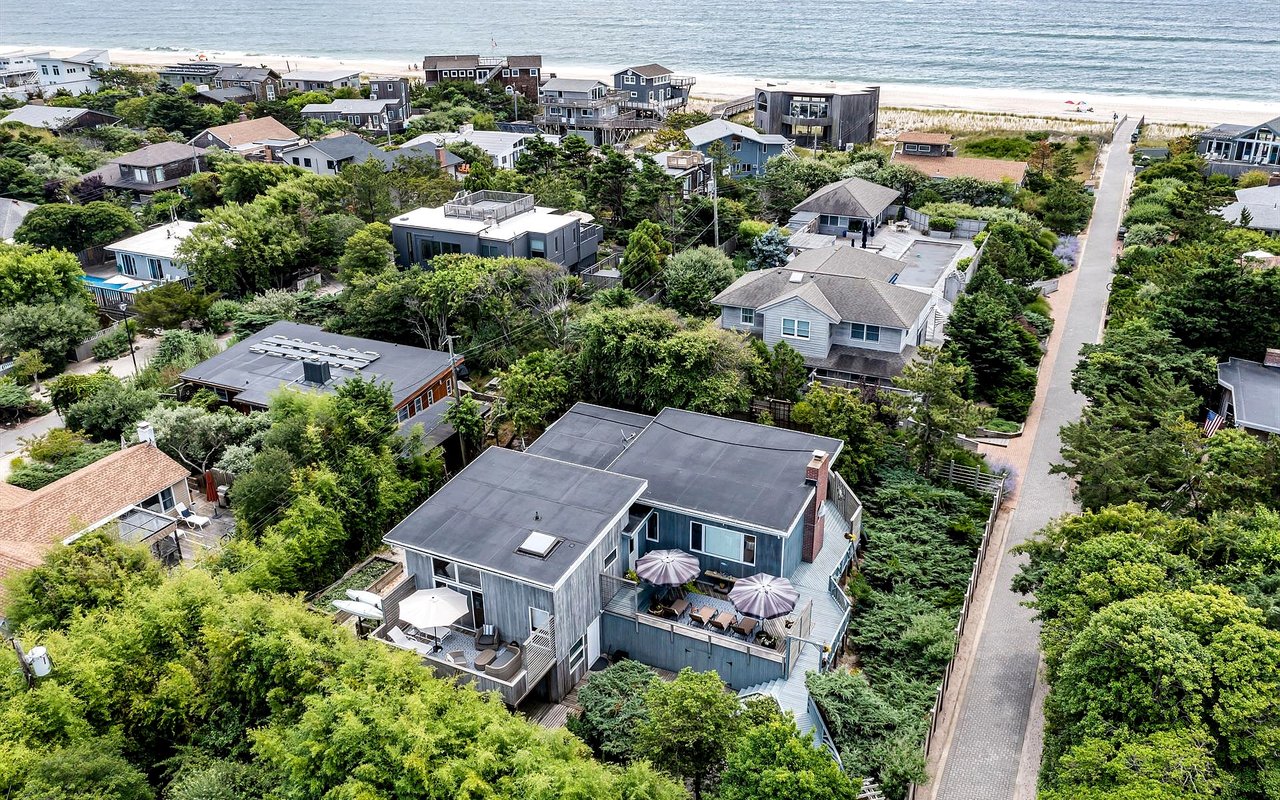
Fire Island rental pricing is hyperlocal. A three-bedroom home in Fire Island Pines and a three-bedroom home in Fair Harbor are not the same product — even if they are the same size and condition. Community character, renter profile, and amenity infrastructure drive meaningful rate differences across the island's 17 communities.
Before you set a rate, look at what comparable properties in your community are actually renting for. Focus on homes with similar bedroom count, bathroom count, and amenity profile — particularly pool access and water proximity, which are the two biggest pricing drivers on Fire Island. Local rental agents who work your specific community are the most reliable source for this data.
Before you set a rate, look at what comparable properties in your community are actually renting for. Focus on homes with similar bedroom count, bathroom count, and amenity profile — particularly pool access and water proximity, which are the two biggest pricing drivers on Fire Island. Local rental agents who work your specific community are the most reliable source for this data.
What to include in your comparable rental analysis:
- Properties in the same community, not just the same island — rates vary too much across communities for cross-market comparisons to be useful
- Similar bedroom and bathroom count, with special attention to whether the comp has a pool
- Bay-facing or oceanfront access relative to your property's position
- Booking lead times — how far in advance comps are filling for peak weeks tells you how well their pricing is working
Factor In Your Amenities and Property Features
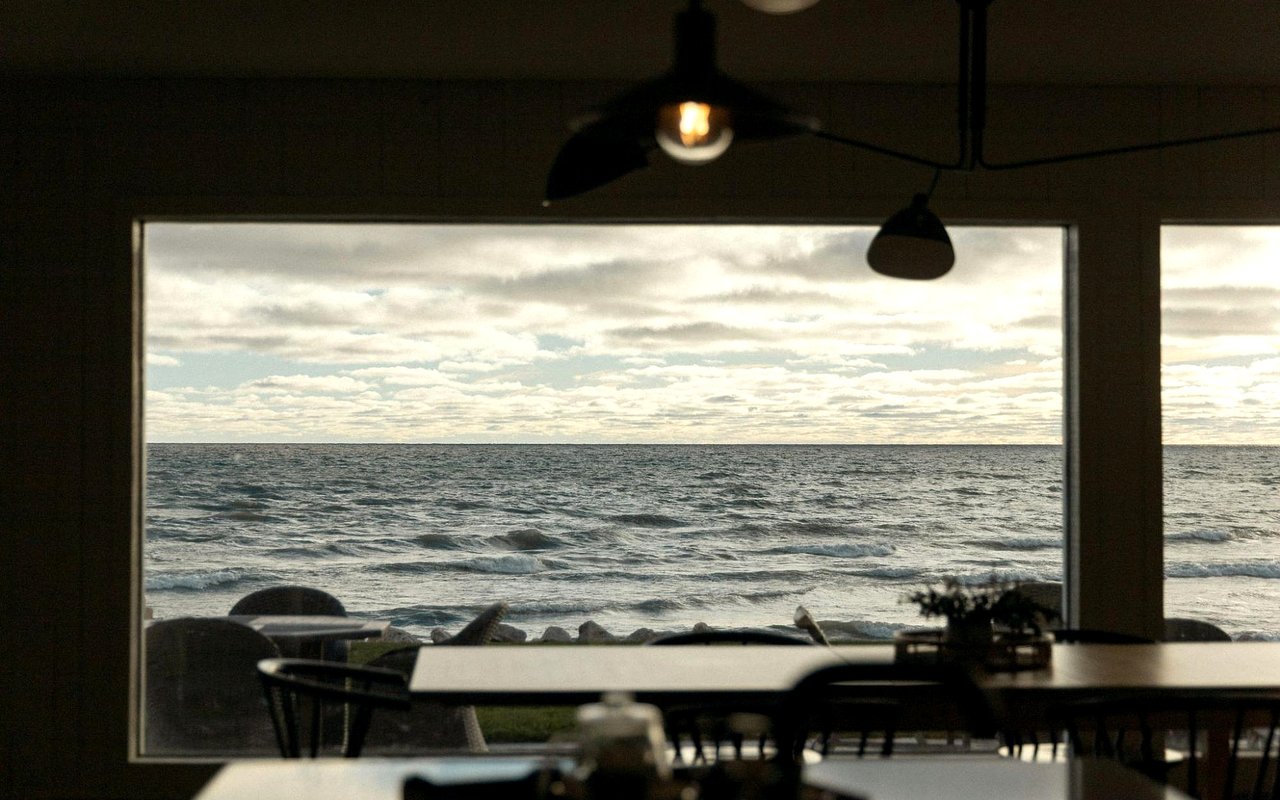
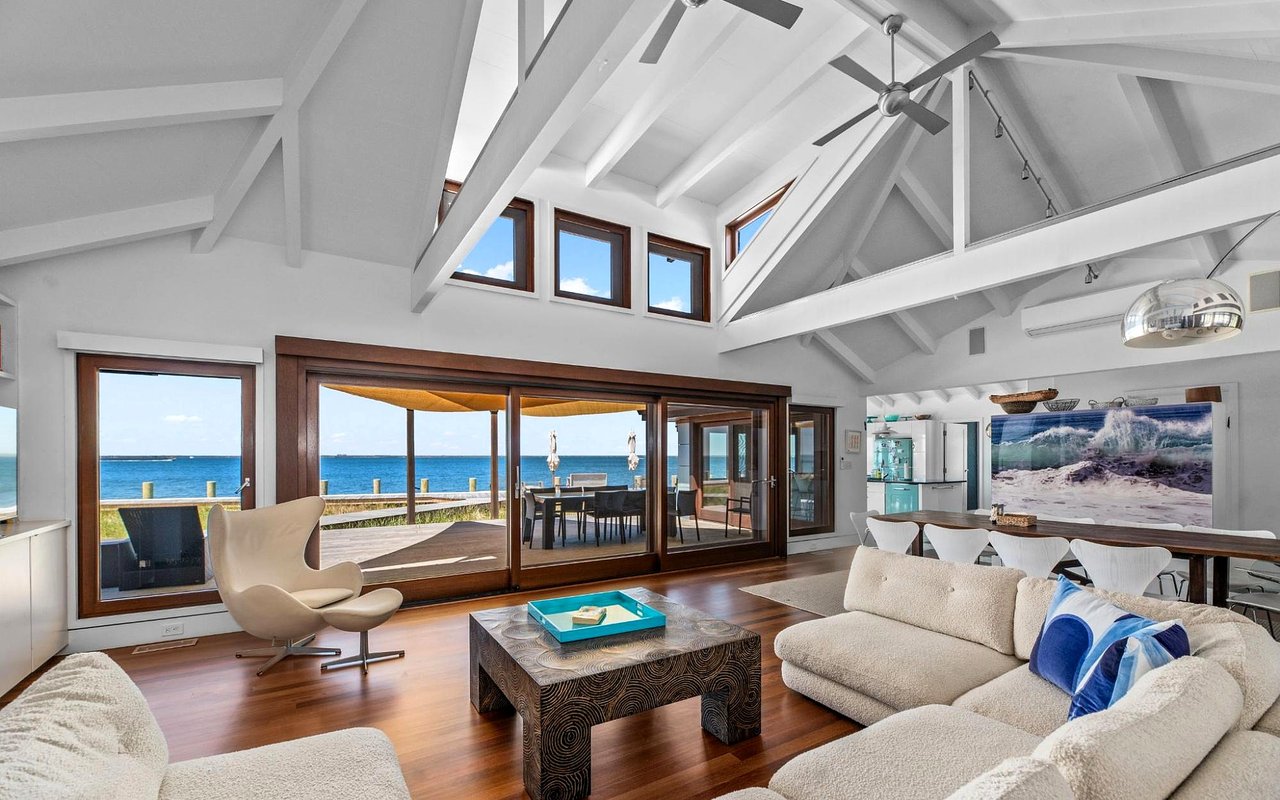
On Fire Island, amenities translate directly into rental rate premiums. Pool access is the single most impactful feature — properties with pools command higher weekly rates and book faster than equivalent homes without one. Oceanfront and bay-facing locations follow closely, with views and water access justifying meaningful premiums over interior or wooded lots.
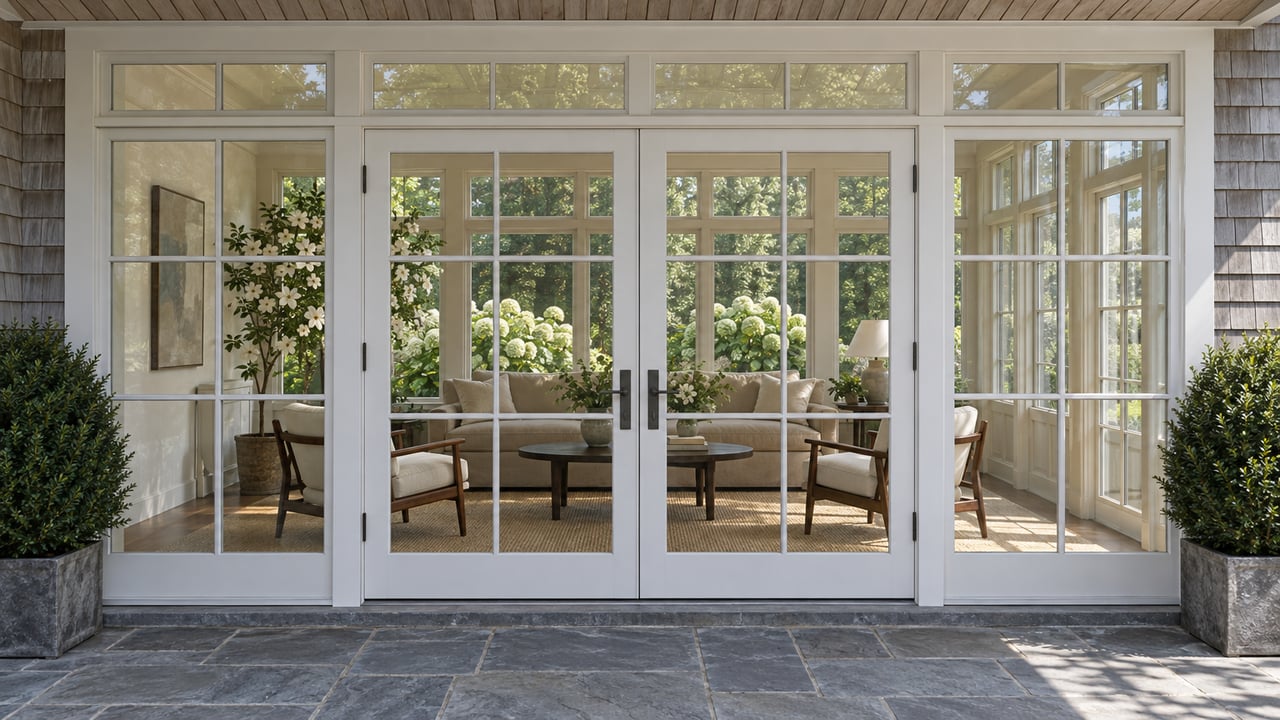
Outdoor living space also matters in this market. Decks, outdoor showers, and covered dining areas are standard expectations in many communities, and properties that deliver on these features hold their rates better than those that do not. Interior quality — updated kitchens, air conditioning, and comfortable sleeping capacity — supports strong reviews, and strong reviews support premium pricing over time.
Outdoor living space also matters in this market. Decks, outdoor showers, and covered dining areas are standard expectations in many communities, and properties that deliver on these features hold their rates better than those that do not. Interior quality — updated kitchens, air conditioning, and comfortable sleeping capacity — supports strong reviews, and strong reviews support premium pricing over time.
Amenities that support higher Fire Island vacation rental income:
- Pool: the highest-impact amenity for both weekly rate and booking velocity
- Oceanfront or bay-facing location over interior or wooded lots
- Outdoor deck space, outdoor shower, and covered dining or entertaining areas
- Air conditioning throughout — increasingly expected even in traditionally unair-conditioned communities
- Sleeping capacity that matches or exceeds community norms for your bedroom count
Build a Seasonal Pricing Structure
Fire Island rental income is not evenly distributed across the season. Demand peaks sharply around holiday weeks, and owners who charge a flat rate all summer leave income on the table during the highest-demand periods while potentially overpricing slower weeks.
A tiered pricing structure — base summer rate, elevated holiday rate, and premium rate for the highest-demand events — captures more of the income available in this market. Memorial Day and Labor Day weekends command higher rates than standard mid-summer weeks. July 4th and, in Fire Island Pines, the annual Pines Party are among the highest-demand periods on the island and should be priced accordingly.
A tiered pricing structure — base summer rate, elevated holiday rate, and premium rate for the highest-demand events — captures more of the income available in this market. Memorial Day and Labor Day weekends command higher rates than standard mid-summer weeks. July 4th and, in Fire Island Pines, the annual Pines Party are among the highest-demand periods on the island and should be priced accordingly.
A practical Fire Island seasonal pricing structure:
- Base summer rate: standard mid-June through late August weeks outside of holidays
- Holiday premium: Memorial Day, July 4th, and Labor Day weeks at 20 to 40 percent above base rate
- Peak event premium: Pines Party and other high-demand community events at maximum market rate
- Shoulder season rate: late May and post-Labor Day weeks at a modest discount to fill weeks when demand is softer
Set Minimums and Manage Your Calendar Actively
Weekly minimums during peak season are standard practice on Fire Island and protect owners from the high turnover costs of shorter stays. The ferry logistics, cleaning, and preparation involved in turning over a Fire Island home make short stays less profitable than they would be in a more accessible market.
As you get closer to unfilled dates, flexibility on minimum stay can help you fill gaps rather than leave the property vacant. A three-night booking at a competitive rate is better than an empty week. Monitor your calendar and your competition regularly — if comparable properties in your community are filling and yours is not, that is a signal to review your rate.
As you get closer to unfilled dates, flexibility on minimum stay can help you fill gaps rather than leave the property vacant. A three-night booking at a competitive rate is better than an empty week. Monitor your calendar and your competition regularly — if comparable properties in your community are filling and yours is not, that is a signal to review your rate.
Calendar management practices that support stronger vacation rental income on Fire Island:
- Set seven-night minimums for peak season weeks; consider shorter minimums for shoulder weeks as the date approaches
- Work with a local Fire Island rental agent who knows your community's booking patterns and can advise on rate adjustments in real time
FAQs
How do I know if my Fire Island rental rate is too high?
The clearest signal is your booking pace relative to comparable properties. If similar homes in your community are filling their peak weeks months in advance and yours are not, your rate is likely above market. A local rental agent familiar with your specific community can give you an honest read on where your pricing stands.
Should I adjust my rental rate after getting reviews?
Yes. Properties with strong review histories can support higher rates than new listings because guests place real value on verified quality. As you build a track record, modest rate increases on peak weeks are often sustainable without losing booking velocity.
What are the most common pricing mistakes Fire Island owners make?
The two most common are flat-rate pricing that ignores the demand premium on holiday weeks, and overpricing early in the season when the property has limited or no rental history. Starting competitively and building reviews creates the foundation for higher rates in subsequent seasons.
Ready to Get Your Fire Island Pricing Right?
Setting the right rental rate takes local knowledge, comparable data, and an honest read on your property's strengths. We, The Agency Fire Island, work with owners across every Fire Island community and can help you build a pricing approach that fits your goals. Reach out to get started.