If you love the idea of summer in Ocean Beach, you are not alone. The harder question is whether you should keep renting for flexibility or buy for long-term control in a village that runs on ferry schedules, seasonal rhythms, and a very specific set of ownership rules. This guide will help you weigh the costs, lifestyle tradeoffs, and practical realities so you can make a smarter decision with confidence. Let’s dive in.
Why Ocean Beach Feels Different
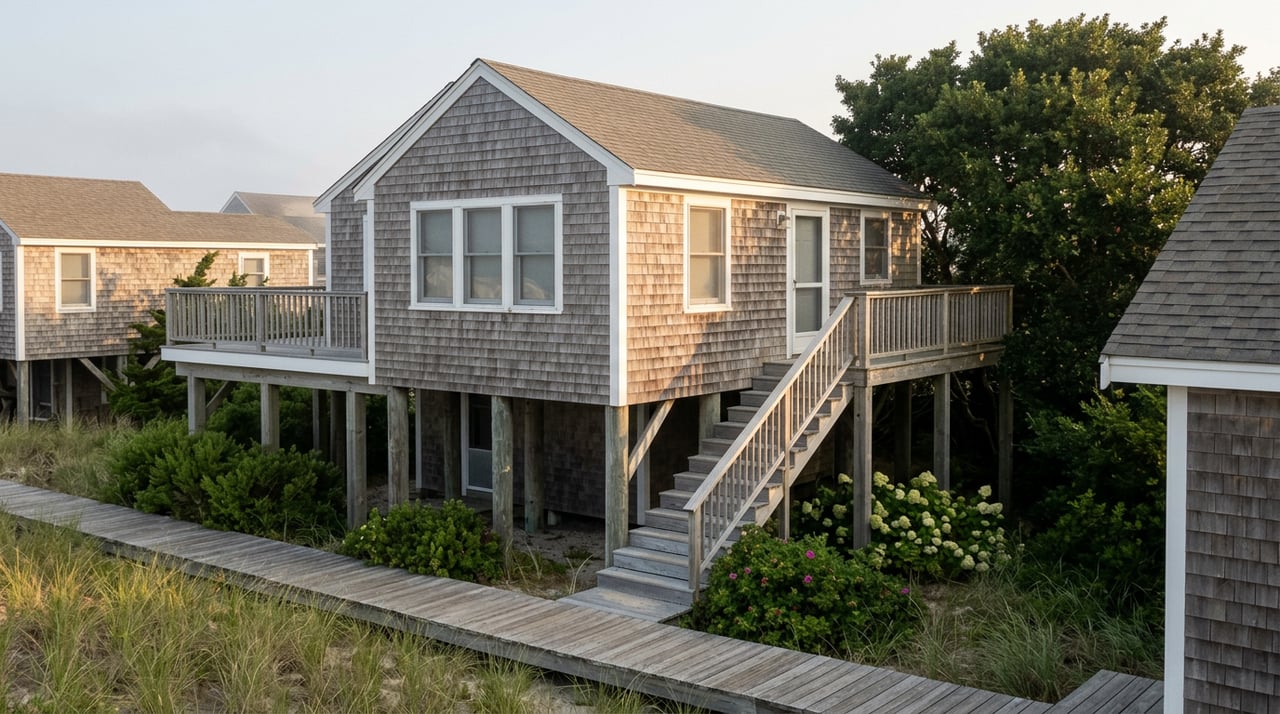
Ocean Beach is not a typical beach town purchase. The village describes itself as a half-mile-wide barrier beach, and Fire Island National Seashore notes that there are no paved roads, so getting around is generally done on foot, by ferry, or by water taxi.
That setting shapes almost every part of your decision. The village is about a half-hour ferry ride from Bay Shore, which can feel easy and idyllic in the right season, but it also means your plans depend on a transportation system that changes with the calendar and can be affected by storms, ice, and tide conditions.
Ocean Beach is also highly seasonal. Ferry service runs throughout the summer, and village planning documents note that peak summer daily visitors can reach five times the number of seasonal residents, which helps explain why the market feels especially active during the warm-weather months.
Ocean Beach Market Snapshot
A recent market snapshot shows just how specialized this market is. In April 2026, Ocean Beach had 17 homes for sale and 161 rental listings, with a median listing price of $1,649,499, a median rent of $8,400 per month, and 176 median days on market.
On paper, Realtor.com classified Ocean Beach as a buyer’s market in that snapshot. Still, the number of homes for sale was small, which means your options may remain limited even when conditions appear to favor buyers.
That limited supply is not accidental. Village planning documents describe Ocean Beach as essentially fully developed, so location, property condition, and timing can all carry more weight here than in markets with room for major new inventory.
Buying Means More Upfront Commitment
The biggest difference between buying and renting in Ocean Beach is not just monthly cost. It is the amount of cash, responsibility, and long-term commitment you are ready to take on.
Using the April 2026 median listing price of $1,649,499, a 20 percent down payment would be about $329,900 before closing costs. That is a substantial upfront investment, especially when compared with renting, even at a high seasonal rate.
For context, the median rent of $8,400 per month annualizes to about $100,800. That does not mean renting is cheap, but it does show how buying typically requires far more cash at the start, before you even factor in taxes, insurance, maintenance, or repairs.
Renting Preserves Flexibility
If you are still learning how often you want to be on Fire Island, renting can be the more practical choice. It lets you enjoy Ocean Beach without committing to a major purchase in a market where access, seasonality, and property logistics are all part of everyday ownership.
Renting can also make sense if you only plan to visit for a few weeks each year. In that case, optionality may matter more than building long-term ownership, especially if you are still deciding whether Ocean Beach fits your routine, budget, and lifestyle.
For many second-home shoppers, that trial period is valuable. A few rental seasons can help you understand ferry schedules, busy summer patterns, and the pace of village life before you decide to own.
Ownership Costs Go Beyond the Mortgage
When you compare buying and renting, it is important to look beyond principal and interest. A total monthly home payment can include mortgage costs, property taxes, homeowners insurance, supplementary insurance such as flood insurance, and any applicable fees.
In Ocean Beach, those added costs deserve close attention. The village’s Local Waterfront Revitalization Program states that the entire village lies within the 100-year floodplain, with Zone VE along the Atlantic Ocean and Zone AE extending northward toward the bay.
That flood exposure matters because standard homeowners insurance typically does not cover flood damage. For buyers using a federally backed mortgage in a Special Flood Hazard Area, flood insurance is generally required, and newer buyers may face the full risk-based cost under FEMA standards.
In practical terms, flood coverage should be treated as a core carrying cost in Ocean Beach. It is not a minor add-on, and it can materially affect your annual ownership budget.
Maintenance Is More Complex Here
Owning in Ocean Beach is also more operational than owning a typical suburban home. Village planning materials point to coastal storms, flooding, erosion, and ferry-limited construction logistics as real factors in long-term ownership costs.
That means repairs and projects may involve extra coordination. Getting labor, materials, and timing lined up on a barrier island can be more complicated than doing the same work on the mainland.
Even if you use the home seasonally, the carrying costs do not disappear. The village notes that property taxes are due annually on June 1, which is a reminder that ownership expenses continue whether you are using the property every week or only part of the year.
Rental Income Has Important Limits
Some buyers hope a property will help offset costs through rentals. In Ocean Beach, that idea needs to be evaluated carefully because the village does not function like a typical nightly short-term rental market.
Village code defines a transient rental as less than seven consecutive days and prohibits it. The village also requires a permit before a dwelling unit can be rented or even commercially advertised for rent.
The village’s homeowner guidance states that the minimum rental period is seven days, rental permits cost $125, applications must be be submitted at least seven days in advance, and renting without a permit can lead to fines of up to $3,000 per day and the loss of rental privileges.
The takeaway is simple. If you are buying with rental income in mind, you should think in weekly or seasonal terms, not weekend or nightly terms, and you should plan for permit compliance and turnover management from the start.
When Buying Makes More Sense
Buying in Ocean Beach often makes more sense if you expect to return year after year and want a lasting place of your own. It can also be the better fit if you value control over the property and feel comfortable taking on the costs and logistics that come with barrier-island ownership.
You may lean toward buying if:
- You spend most or all of your summers on Fire Island
- You want consistency in where and how you stay
- You are prepared for the upfront cash requirement
- You have room in your budget for taxes, flood insurance, maintenance, and repairs
- You understand that ferry access and storm conditions can affect projects and travel
- You are considering weekly or seasonal rentals and are ready to follow village permit rules
For the right buyer, ownership can offer more than convenience. It can create continuity, familiarity, and a stronger long-term connection to the village.
When Renting Makes More Sense
Renting is often the better move if flexibility is your priority. It can also be the smarter path if you are still testing whether Ocean Beach truly fits the way you live, travel, and spend time away.
You may lean toward renting if:
- You only visit a few weeks each year
- You want to avoid a large down payment and closing costs
- You are not ready to absorb flood-related ownership costs
- You prefer to avoid maintenance and repair logistics
- You want the freedom to adjust your plans from one season to the next
- You are still comparing Ocean Beach with other Fire Island options
Renting lets you enjoy the lifestyle while keeping your options open. In a market this seasonal and specialized, that can be a real advantage.
The Real Question: Commitment or Optionality?
In Ocean Beach, the choice is less about rent versus mortgage and more about commitment versus optionality. This is a car-free summer village on a barrier island with limited for-sale inventory, seasonal transportation, flood exposure, and tightly defined rental rules.
If that setting feels like a place you want to return to every season, buying may be worth the added complexity. If you are drawn to the lifestyle but want fewer long-term obligations, renting may give you the freedom you need.
The best decision is the one that matches how often you will use the home, how much operational complexity you are willing to manage, and how much capital you want tied up in a seasonal property. When those pieces line up, your path usually becomes much clearer.
If you are weighing a purchase, seasonal lease, or long-term strategy on Fire Island, The Agency Long Island can help you evaluate the numbers, the lifestyle fit, and the local nuances that matter in Ocean Beach.
FAQs
Is buying in Ocean Beach different from buying on the mainland?
- Yes. Ocean Beach is a barrier-island village with ferry-based access, no paved roads, flood exposure across the village, and rental rules that make ownership more specialized than a typical mainland purchase.
Can you rent an Ocean Beach home for a weekend?
- No. Village code prohibits transient rentals of less than seven consecutive days, and rentals also require a permit.
Do Ocean Beach buyers need flood insurance?
- If a home is in a Special Flood Hazard Area and the mortgage is federally backed, flood insurance is generally required. Standard homeowners insurance typically does not cover flood damage.
Is Ocean Beach a seasonal real estate market?
- Yes. Ferry service, visitor traffic, and the overall pace of the village are strongly seasonal, with much heavier summer activity than the rest of the year.
How many homes and rentals are usually available in Ocean Beach?
- In an April 2026 market snapshot, there were 17 homes for sale and 161 rental listings, which reflects limited for-sale supply alongside a larger seasonal rental market.
What is the minimum rental period in Ocean Beach?
- The minimum rental period is seven days, according to village guidance and code requirements.