By The Agency
Knowing what your home is worth is the starting point for almost every big decision, from selling to refinancing to simply planning ahead. Fairfield home values depend on more than square footage, and a number from an online estimate rarely tells the full story. We wrote this guide to show you how value is really measured here. By the end, you will know what moves the number up or down.
Key Takeaways
- Fairfield home values come down to location, condition, and recent comparable sales.
- Online estimates are a rough starting point, not a final answer.
- Proximity to the train, downtown, and shoreline can swing value a great deal.
- A local agent’s pricing is built on data an algorithm cannot see.
Start With Comparable Sales
The most reliable way to measure Fairfield home values is to look at what similar homes nearby have recently sold for. These comparable sales, or comps, show what buyers in your area are actually paying right now.
The closer a comp is to your home in size, age, and location, the more useful it is. A sale from a few months ago in your neighborhood tells us more than a current listing across town.
No two homes are truly identical, so part of the work is adjusting for the differences, adding value for an extra bath or a finished basement and subtracting for an older roof or a smaller lot.
What Makes a Strong Comp
- A similar home within roughly a mile of yours
- A sale from the last several months, not years ago
- A comparable lot size, layout, and condition
- A home in the same part of Fairfield, since values shift block to block
Location Within Fairfield Matters
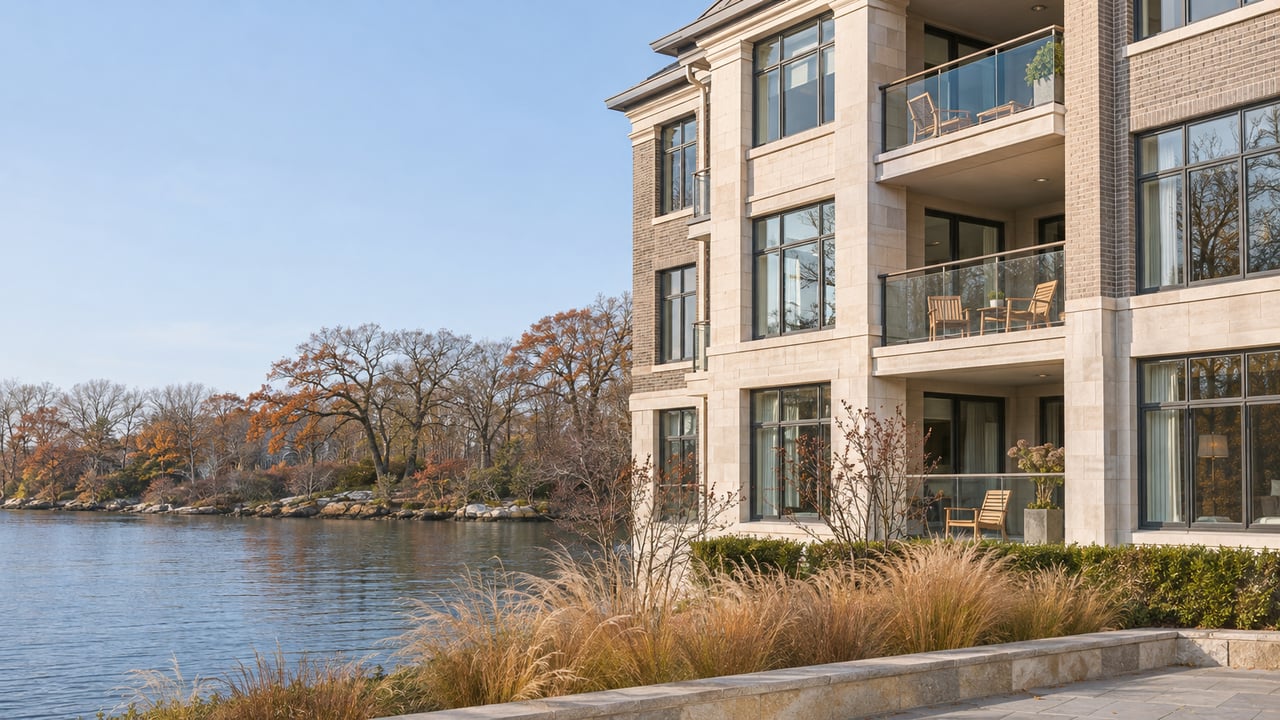
Fairfield is not one market. A home steps from the train or the shoreline can carry a very different value from one farther inland, even if the houses are nearly identical. Micro-location is one of the biggest drivers of Fairfield home values.
Two homes with matching floor plans can sit far apart in price on location alone, which is why a single town-wide average tells you so little about your own home. In Fairfield, closeness to the water and to a train platform tends to command the clearest premiums, since both are things a buyer cannot add later.
Location Factors That Move Value
- Walking distance to a Metro-North station
- Proximity to downtown Fairfield and the Post Road
- Access to the shoreline and Long Island Sound
- The character of the specific neighborhood, from Southport to Greenfield Hill
Condition and Updates Count
Two homes with the same footprint can be valued differently based on condition. Updated kitchens, newer systems, and a well-kept exterior all push Fairfield home values higher, while delayed maintenance pulls them down.
Buyers pay for homes they can move into without a long to-do list, and they discount for work they know they will have to take on.
Updates Buyers Notice Most
- Kitchens and bathrooms in modern, move-in shape
- Newer roof, heating, and cooling systems
- Fresh paint and well-kept flooring
- Outdoor living space that works in every season
Get a Professional Opinion of Value
Once you understand the pieces, the next step is a real opinion of value. There are two main ways to get one, and they serve different purposes.
A comparative market analysis, or CMA, comes from a local agent who studies recent sales and current competition to estimate what your home would sell for today. An appraisal comes from a licensed appraiser, often required by a lender, and follows a stricter, more formal process.
For most homeowners deciding whether or when to sell, a CMA from an agent who knows Fairfield home values is the practical starting point. It is current, local, and built around your goals. Either way, the value is only as good as the data behind it, which is why local, recent sales matter so much.
CMA Versus Appraisal
- A CMA is an agent’s market-based estimate, usually at no cost
- An appraisal is a licensed, formal valuation often tied to a loan
- A CMA reflects what buyers will pay right now
- An appraisal confirms value for a lender during a sale
Why Online Estimates Fall Short
Online tools give you a quick ballpark, and they are fine as a first glance. The trouble is they cannot see inside your home or weigh the things that make Fairfield home values local, like a quiet street or a water view.
A local agent fills that gap with current data and firsthand knowledge of what is selling and why.
What an Agent Sees That an Algorithm Cannot
- The true condition of your home inside and out
- Recent sales that have not fully reached the public data yet
- How buyers are responding to homes like yours right now
- The pull of your specific street and setting
Frequently Asked Questions
How accurate are online home value estimates for Fairfield?
Online estimates are a reasonable starting point for Fairfield home values, though they often miss condition, recent neighborhood sales, and micro-location. For a real number, a local agent’s analysis is far more reliable.
What raises a home’s value most in Fairfield?
Location is the biggest factor, especially proximity to the train, downtown, and the shoreline. After that, condition and updated kitchens, bathrooms, and systems have the largest effect on Fairfield home values.
How often do home values change in Fairfield?
Values shift with the market, sometimes season to season, based on demand and how many homes are for sale. Checking your value once a year, or before a major decision, keeps you current.
Contact Us Today
Understanding Fairfield home values takes local data and a close read of your specific home, and that is what we do every day. We can give you a clear, current picture of what your home is worth in today’s market.
When you want a real answer rather than an estimate, reach out to us, The Agency. We would be glad to walk you through it.