By The Agency Fire Island
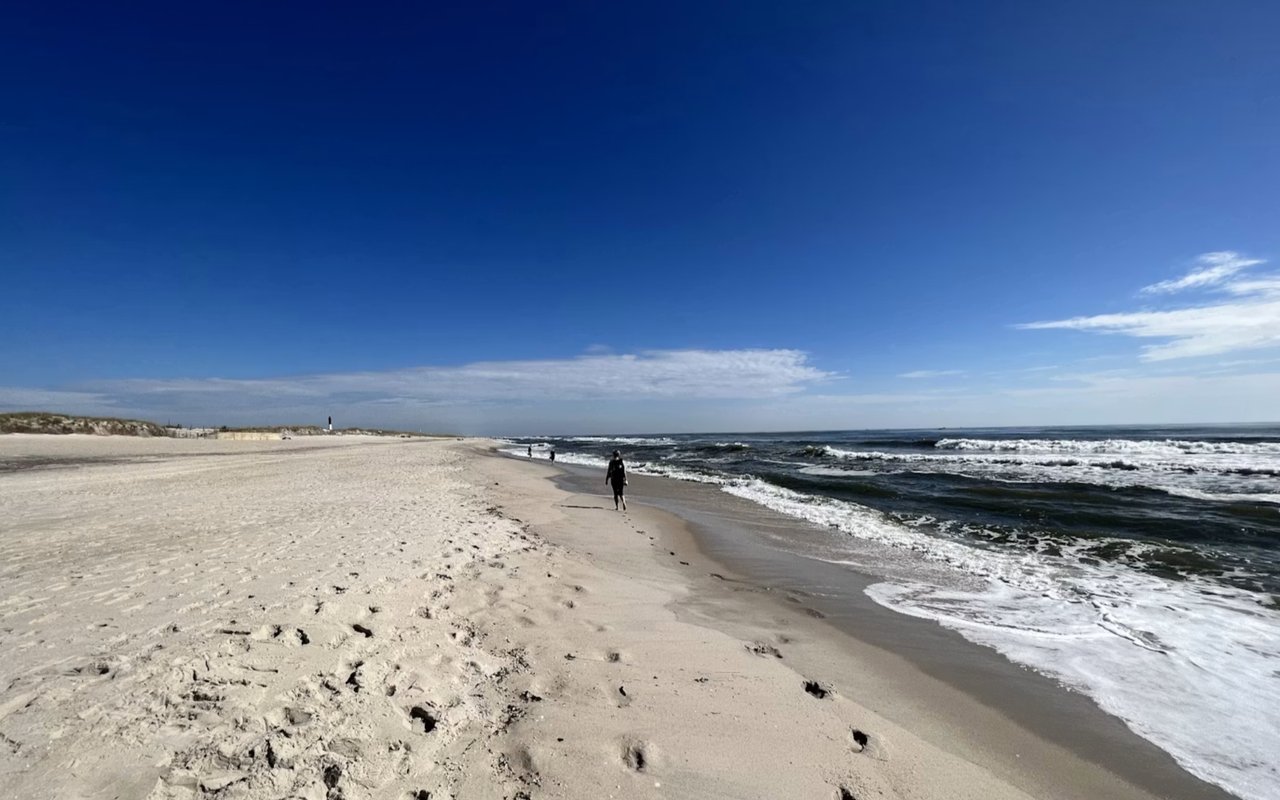
Fire Island is one of the most distinctive real estate markets on the East Coast, and buying a vacation home here is unlike purchasing property almost anywhere else. The island sits just 60 miles from New York City, accessible only by ferry, and most of its communities are entirely car-free. If you have been thinking about owning a piece of this barrier island off Long Island's south shore, here is what we want you to understand before you start your search.
Key Takeaways
- Fire Island vacation homes require specific financing and insurance considerations unique to waterfront barrier island properties
- The island's 17 distinct communities each have their own character — choosing the right one matters as much as choosing the right home
- Car-free living means your approach to logistics, furnishing, and maintaining a home here is fundamentally different
- Seasonal demand drives strong rental income potential, which can help offset ownership costs
Understanding the Fire Island Market
The Fire Island real estate market has seen consistent price appreciation in recent years. The median home price across the island reached approximately $1.5 million as of late 2025, with communities like Fire Island Pines commanding even higher averages near $2.1 million. Ocean Beach, Fair Harbor, and Seaview tend to offer more accessible entry points while still delivering the core Fire Island experience.
Inventory is limited by design. Fire Island sits within the Fire Island National Seashore, and development restrictions mean new construction is rare. What you see on the market is largely what exists, which keeps values supported even when broader market conditions soften.
Inventory is limited by design. Fire Island sits within the Fire Island National Seashore, and development restrictions mean new construction is rare. What you see on the market is largely what exists, which keeps values supported even when broader market conditions soften.
What buyers are seeing in this market right now:
- Median prices ranging from roughly $2M in more modest communities to $3M-plus
- Homes that spend an average of around 124 days on market, giving buyers more time to evaluate than in many competitive coastal markets
- Strong year-round interest from NYC-based buyers looking to diversify beyond the Hamptons
Choosing the Right Community
Fire Island is not a single destination — it is a collection of 17 separate communities, each with its own atmosphere, buyer profile, and lifestyle. Selecting the right community is one of the most consequential decisions you will make in this purchase.
Ocean Beach is the most established and centrally located community, with walkable access to restaurants, shops, and the ferry dock. Fair Harbor and Saltaire attract families and repeat summer visitors who value a quieter, residential feel. Fire Island Pines is known for its design-forward architecture, high-end homes, and vibrant social scene. Cherry Grove sits adjacent to the Pines and has a close-knit, creative community character. Seaview and Kismet offer more relaxed entry points with strong rental demand.
Ocean Beach is the most established and centrally located community, with walkable access to restaurants, shops, and the ferry dock. Fair Harbor and Saltaire attract families and repeat summer visitors who value a quieter, residential feel. Fire Island Pines is known for its design-forward architecture, high-end homes, and vibrant social scene. Cherry Grove sits adjacent to the Pines and has a close-knit, creative community character. Seaview and Kismet offer more relaxed entry points with strong rental demand.
Key differences to weigh across communities:
- Ferry access points — each community is served by a specific terminal, out of Bay Shore, Sayville, or Patchogue
- Rental demand and seasonal rental income potential vary considerably by community
- HOA structures, community association rules, and noise levels differ from one area to the next
- Year-round accessibility varies — some communities see very little off-season activity
The Car-Free Factor
Most communities on Fire Island prohibit cars and motorized vehicles entirely. This shapes everything from how you move your belongings onto the property to how you stock your kitchen on a Friday evening. Buyers who have not spent time on the island often underestimate what this means in practice.
Wagons and wheelbarrows are the standard for hauling groceries and luggage from the ferry dock to the house. Furnishing a home here typically requires coordination with ferry schedules and delivery services that operate on the island. Larger items — appliances, furniture, renovation materials — require advance planning and additional cost.
Wagons and wheelbarrows are the standard for hauling groceries and luggage from the ferry dock to the house. Furnishing a home here typically requires coordination with ferry schedules and delivery services that operate on the island. Larger items — appliances, furniture, renovation materials — require advance planning and additional cost.
What to factor into your logistics plan:
- Budget for ferry fees as a recurring cost of ownership, not just a vacation expense
- Understand that contractors and service providers charge more to work on Fire Island due to the added complexity of access
- Storage space in the home matters more here than in most markets — outdoor showers, locked storage for beach equipment, and utility areas add real value
Financing and Insurance Considerations
Buying a vacation home on Fire Island comes with financing nuances that buyers should address early. Lenders treat barrier island properties differently, and not all conventional loan products apply. Some homes fall within FEMA flood zones, which means flood insurance is required and can add meaningfully to annual carrying costs.
Jumbo financing is often necessary given the price points, and lenders will want to understand whether you plan to rent the property seasonally, as that can affect loan terms. Working with a lender who has experience with waterfront and vacation home transactions on Long Island is worth the extra time it takes to find one.
Jumbo financing is often necessary given the price points, and lenders will want to understand whether you plan to rent the property seasonally, as that can affect loan terms. Working with a lender who has experience with waterfront and vacation home transactions on Long Island is worth the extra time it takes to find one.
Financial considerations to address before you make an offer:
- Get flood zone designation confirmed — an elevation certificate can clarify your insurance requirements and costs
- Understand that homeowners insurance for barrier island properties carries its own premium structure
- If you plan to rent the home seasonally, talk to a tax advisor about how rental income affects your overall ownership picture
FAQs
Can I get a conventional mortgage for a Fire Island vacation home?
In many cases, yes, but it depends on the property's flood zone designation, the purchase price, and your intended use. Jumbo loan products are common given the price points on the island. We always recommend connecting with a lender experienced in vacation and waterfront properties early in the process so there are no surprises when you find the right home.
Are there restrictions on renting out a Fire Island vacation home?
Rental rules vary by community. Some communities have minimum stay requirements or registration processes for short-term rentals. We can walk you through the specific rules for any community you are considering so you have a clear picture before you buy.
What time of year is best to buy a vacation home on Fire Island?
The off-season — generally October through March — tends to offer more negotiating room and less competition from other buyers. Serious buyers often find this window productive because motivated sellers who have not moved their property during the summer season are more open to conversation.
Ready to Find Your Fire Island Home?
The vacation home market on Fire Island rewards buyers who come in prepared. We, The Agency Fire Island, know this market from the ferry docks to the bayside communities, and we are here to help you find the right home in the right community. Reach out to start the conversation.