Milford doesn't always make the first list when people think about Connecticut's shoreline towns. That's their loss — and quietly, Milford's gain. This is a city that has figured out how to be a real place: 17 miles of coastline, one of the largest town greens in New England, a food scene that keeps getting better, and a community calendar that actually fills up. All of it within 90 minutes of Manhattan and minutes from New Haven.
Why People Move to Milford
The honest answer is that Milford offers more coastline than almost any other town in the state — and it hasn't let that become the only thing it is. Yes, the beaches are good. But the downtown is independently good, the school system is independently good, and the sense of community feels earned rather than performed.
Milford sits in a useful position geographically. It's far enough from the city to feel genuinely removed from the pace of it, close enough to make the commute manageable, and adjacent to New Haven in a way that gives residents access to world-class dining, culture, and university energy without paying New Haven rent. Metro-North runs through town, I-95 is accessible, and the Merritt Parkway isn't far. Getting in and out is never the hard part.
What tends to surprise people is the texture of everyday life here. Mornings at Silver Sands. Coffee on the Green. An oyster festival that draws tens of thousands of people and still feels like a hometown event. Milford is the kind of place that rewards actually living in it rather than just passing through.
Neighborhoods to Know
Milford is a city rather than a town, which means the neighborhoods have more variety and a wider range of price points than most of its shoreline neighbors.
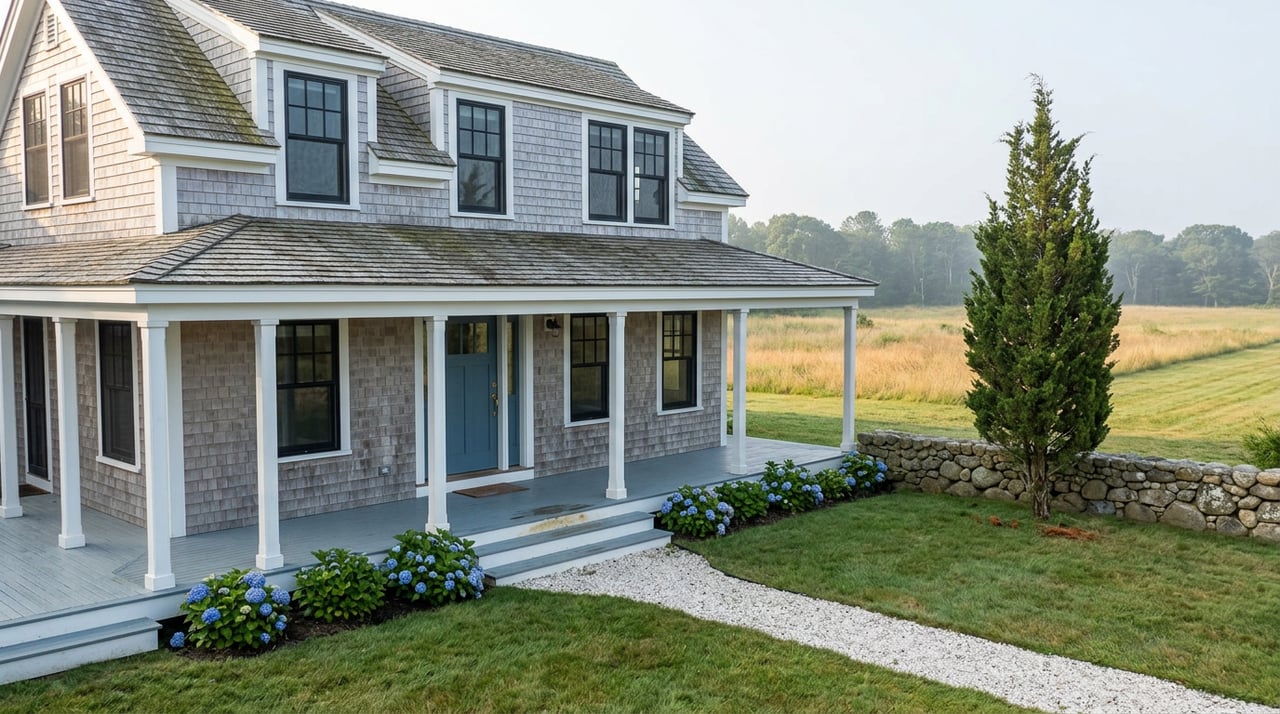
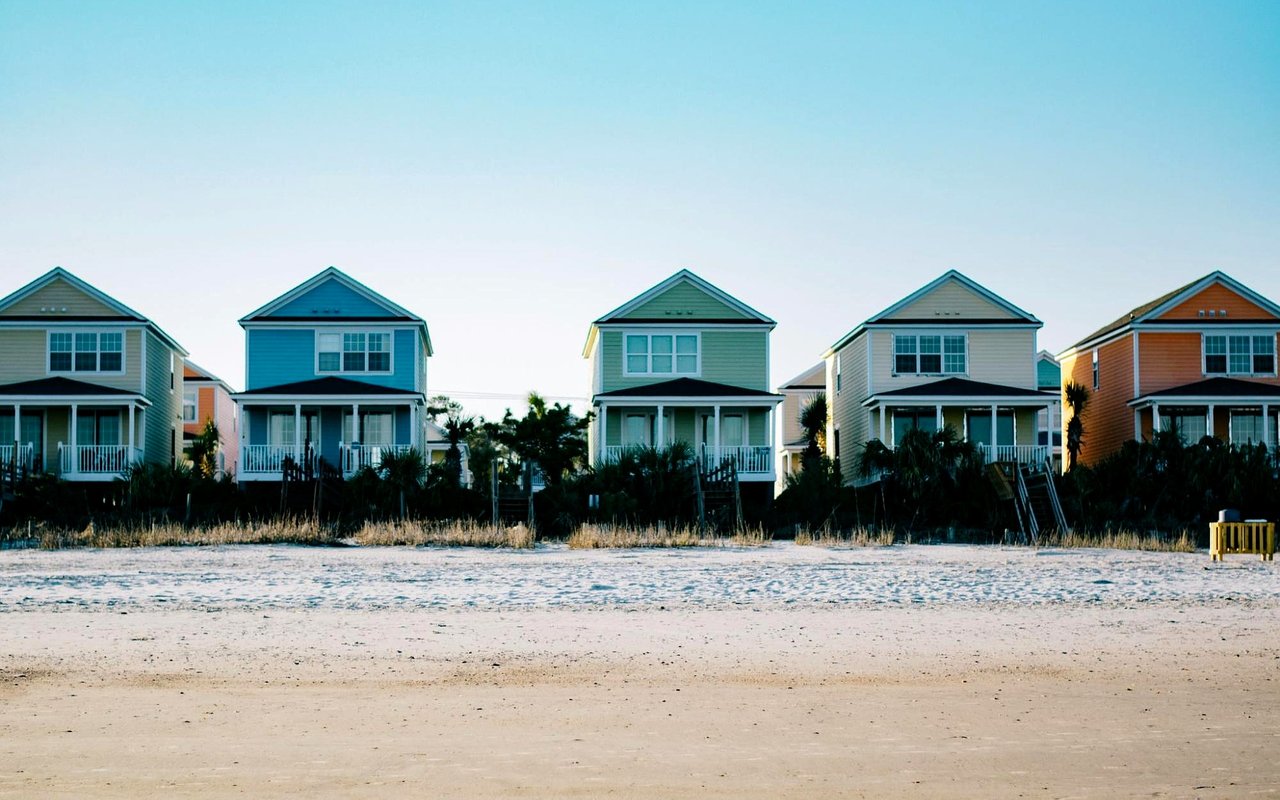
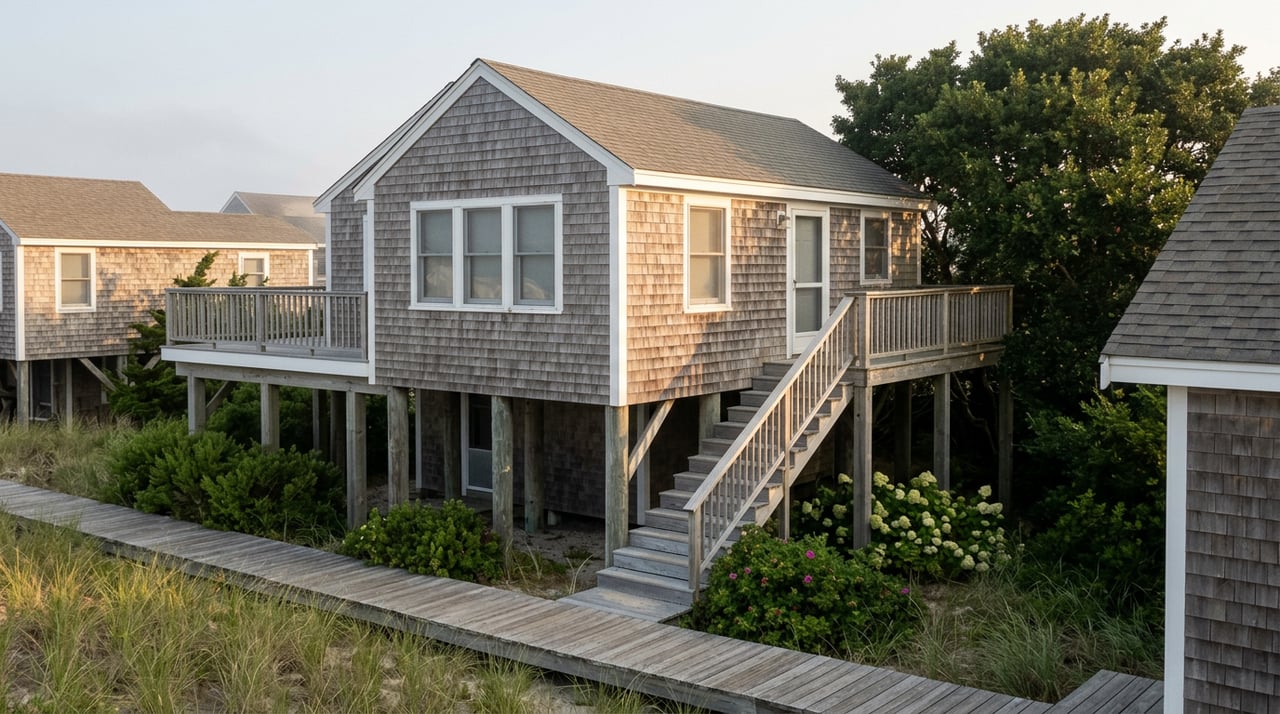
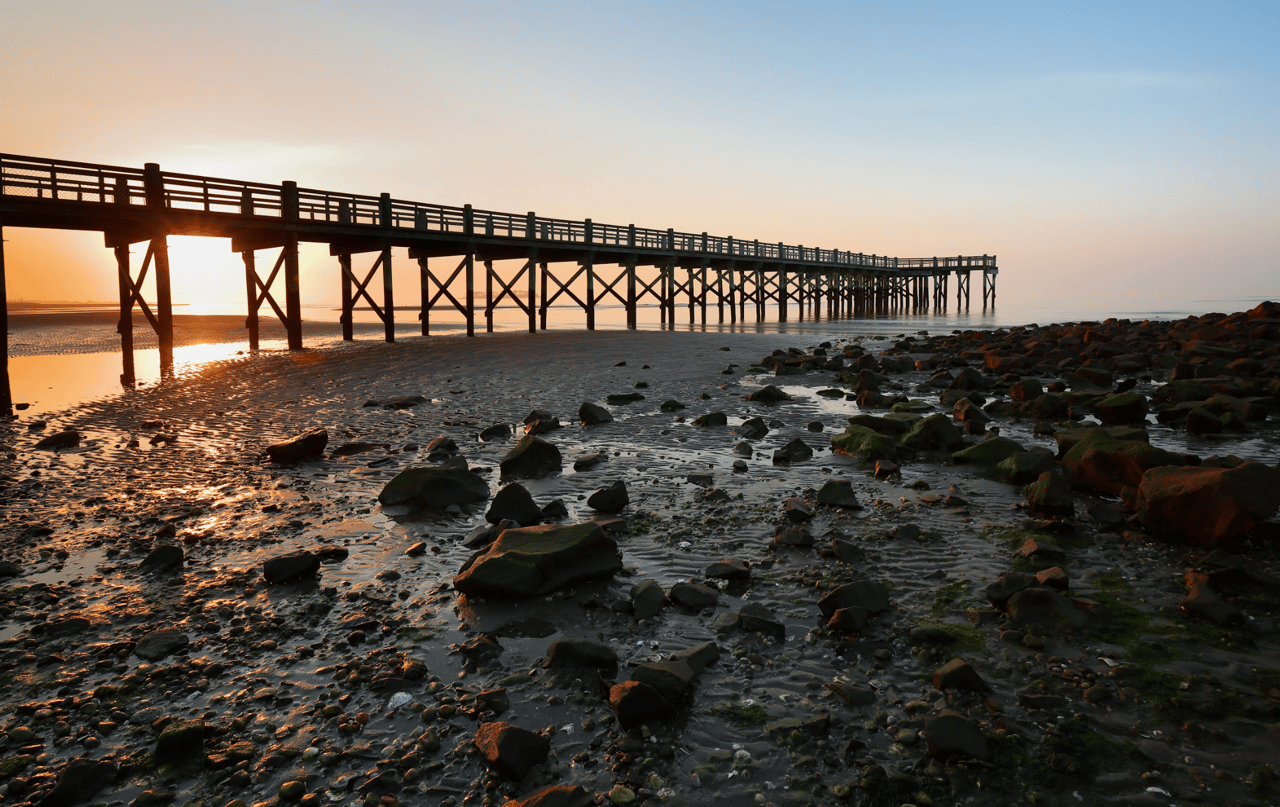
Walnut Beach — The Waterfront Neighborhood The residential area surrounding Walnut Beach has the feel of a classic New England beach community — seasonal cottages alongside year-round homes, narrow streets, and the water a short walk from your front door. It draws buyers who want the beach lifestyle without the Hamptons price tag.
Downtown / The Green — Walkable Urban Core The historic district centered around Milford Green is one of the town's real assets. The Green itself is among the largest in New England, and the streets surrounding it are lined with restaurants, boutiques, and independent shops. Buyers who want to walk to dinner, the farmers market, and Saturday errands without getting in a car look here first.
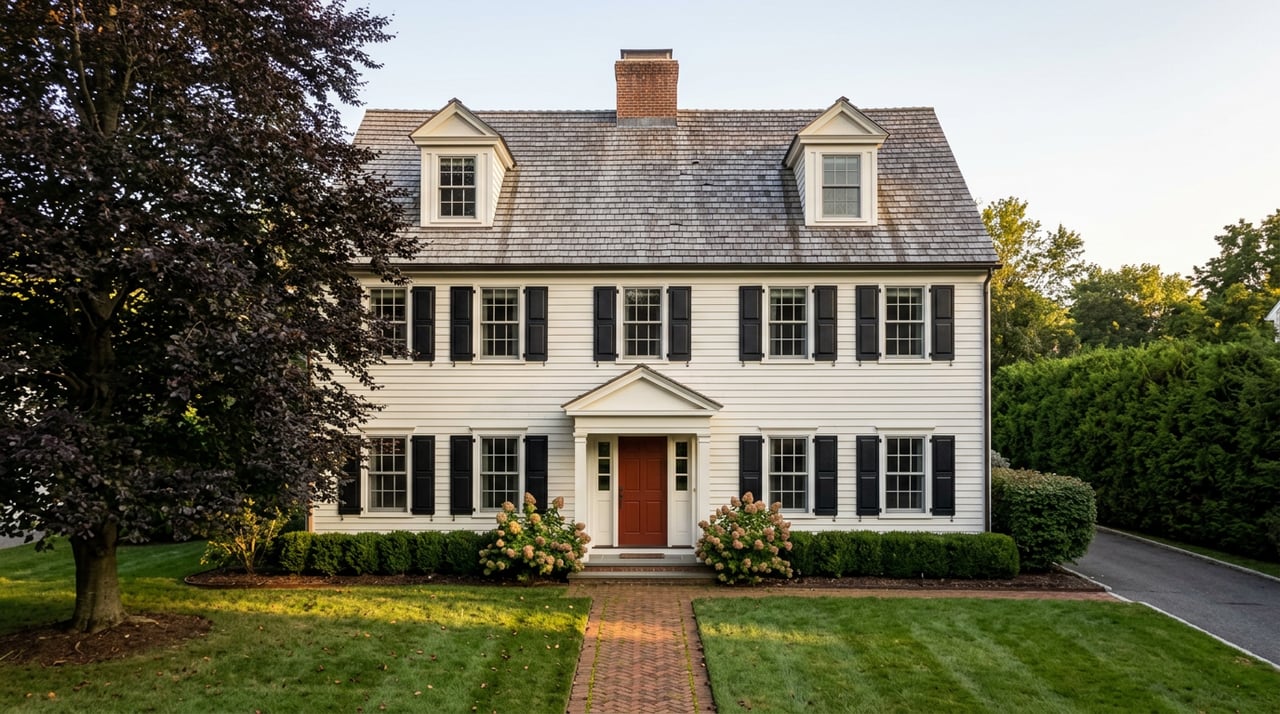
Devon — Established Neighborhood Feel A residential section in the northern part of the city with a mix of mid-century and colonial homes, strong community ties, and its own small commercial strip. Quieter than the beach areas, well-positioned for commuters using the Devon train station.
Woodmont — Tight-Knit Beach Borough One of Connecticut's few remaining boroughs, Woodmont has its own local government and a fiercely loyal resident base. Small, walkable, and directly on the water. Homes here don't come available often, and when they do they move quickly.
Gulf Beach Area — Quieter Shoreline Less trafficked than Walnut Beach but just as close to the water. A good option for buyers who want coastal proximity without the summer crowd density.
Local tip: Milford has two Metro-North stations — Milford and Devon — both on the New Haven Line. Devon is quieter and worth knowing about if you're looking at the northern end of the city.
A Perfect Day in Milford
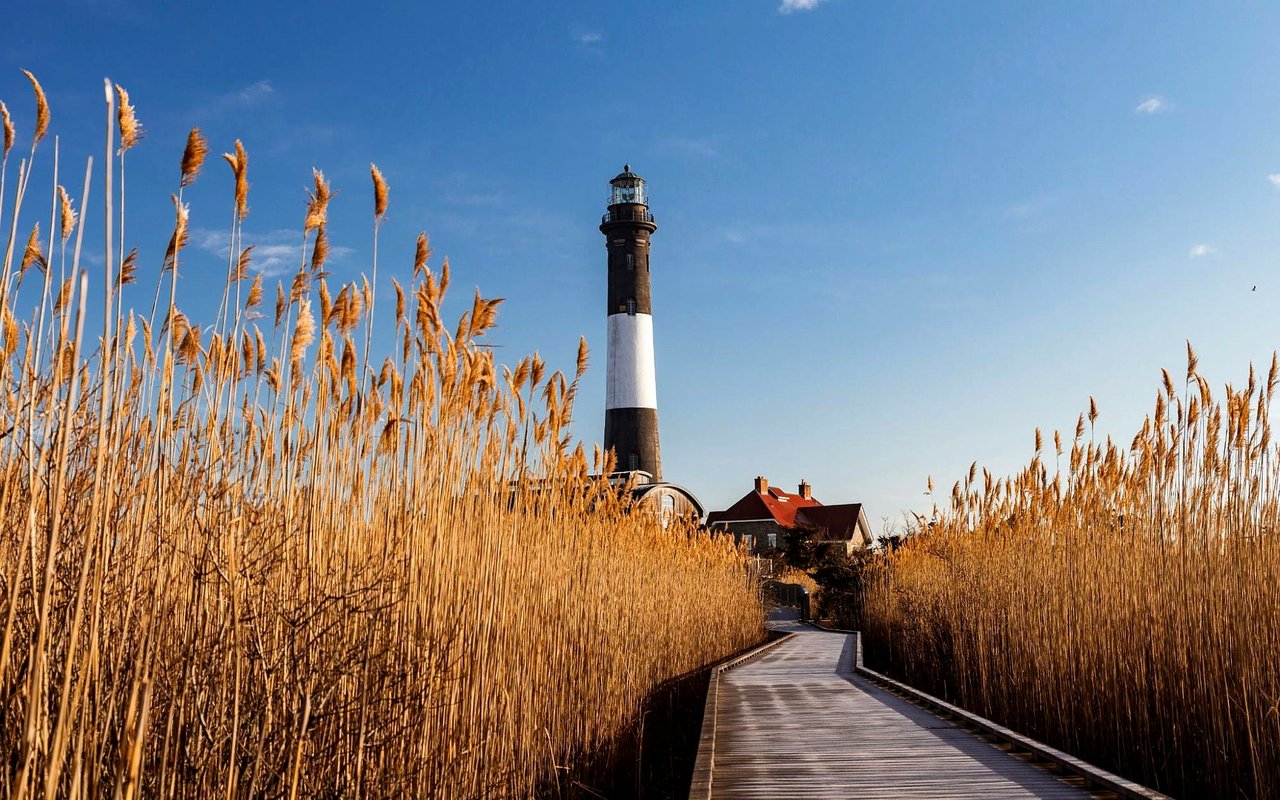
8:00 AM — Morning Walk at Silver Sands Start at Silver Sands State Park before the day gets going. The boardwalk trail along the marsh and shoreline is one of the better morning walks on the Connecticut coast. At low tide, you can walk the sandbar out toward Charles Island. Bring binoculars if you have them.
10:00 AM — Coffee and the Green Head downtown to one of the cafés near the Green. Pick up something from Scratch Baking Co. while you're at it — the pastries are serious. On Thursday mornings in season, the farmers market sets up on the Green and is worth working into the schedule.
12:30 PM — Lunch at Stonebridge or Bin 100 Stonebridge Restaurant on the Wepawaug River has been doing New England seafood right for over 35 years. Multi-tiered waterfront decks, live music on weekends, the kind of place you end up staying longer than planned. Bin 100 is the move if you want something more upscale — Italian and Mediterranean done well, with a lobster ravioli that earns its reputation.
3:00 PM — Walnut Beach or the Harbor Spend the afternoon at Walnut Beach, rent a paddleboard at Silver Sands, or just walk the harbor and watch the boat traffic. Milford's marina scene is active without being overwhelming, and the waterfront has enough going on to fill an afternoon without trying.
7:30 PM — Dinner Downtown, Then Tribus Eat well downtown, then walk to Tribus Beer Co. for a pint in the biergarten. Milford's first brewery has built a following for good reason — the tap list rotates, the outdoor space is genuinely pleasant, and the food trucks parked out front on weekends solve the snack problem.
Where Locals Eat
Milford's food scene punches well above its size, especially along the waterfront and downtown corridor.
Stonebridge Restaurant — A 35-year institution on the Wepawaug River. Seafood, live music, waterfront decks. The reliable answer when someone asks where to take visitors.
Bin 100 — Voted Milford's favorite restaurant consistently. Upscale Italian and Mediterranean, serious wine list, lobster ravioli worth the trip on its own.
The Plate — A go-to for brunch, with a menu that takes the meal seriously without overcomplicating it.
Scratch Baking Co. — Fresh-baked everything, loyal regulars, the kind of bakery a neighborhood organizes itself around.
Tribus Beer Co. — Milford's first brewery and taproom. Rotating taps, outdoor biergarten, weekly food trucks. The right spot for a low-key Friday evening.
Lisman Landing — Waterfront dining and the site of the annual Lobster Bake & Brew Festival. Better in person than it sounds on paper.
For the oyster festival: the Milford Oyster Festival is one of Connecticut's largest outdoor events — music, food, 200-plus vendors — and it happens every August. If you're visiting to scope out the town, timing your trip around it is not a bad idea.
Schools & Commuting
Schools
Milford runs a full public school system with strong elementary programs, two middle schools, and Jonathan Law and Joseph Foran high schools on the public side. The dual high school setup gives the district flexibility, and both schools maintain solid academic and extracurricular programming.
The city also benefits from its proximity to the University of New Haven and Southern Connecticut State University, which adds cultural and educational resources that smaller shoreline towns don't have.
Private options include the Milford Christian Academy and various independent programs in neighboring New Haven County. Families looking for prep school pipelines have good access to the broader regional network.
Commuting
Milford is served by two Metro-North stations on the New Haven Line — Milford and Devon. Travel time to Grand Central runs roughly 90 minutes, which is on the longer end of the Gold Coast spectrum but manageable for people who work remotely part of the week or don't mind the ride.
I-95 and Route 1 both run through the city, and the Merritt Parkway is a short drive north. New Haven is about 10 minutes away, which opens up options for people whose offices are there rather than in Manhattan.
Local tip: The 90-minute train ride is real, and buyers who make five-day-a-week trips to Midtown sometimes find it long. But for hybrid schedules — two or three days in the city — Milford works well, and the price-per-square-foot advantage over towns closer to the city line is significant.
Is Milford Right for You?
Milford suits buyers who want genuine shoreline living without paying the premium that towns like Westport or Darien charge for the same coastline access. The 17 miles of waterfront here are real. The downtown is real. The community events are real. And the price point is real in a different way — more attainable than much of Fairfield County without the feeling that you've made a compromise.
The trade-offs are honest ones. The train ride to the city is longer than most Gold Coast towns. Milford doesn't carry the same brand recognition as Westport or Greenwich, which matters to some buyers and not at all to others. And as a city rather than a town, it has more variation in neighborhood character than buyers used to more homogenous communities might expect.
But for the buyer who wants the water, a functioning downtown, good schools, and a community that actually shows up for itself — Milford is worth a serious look. It's a city that knows what it is and doesn't apologize for it.
Want to explore what's available in Milford? We know the neighborhoods and the market. Let's talk.