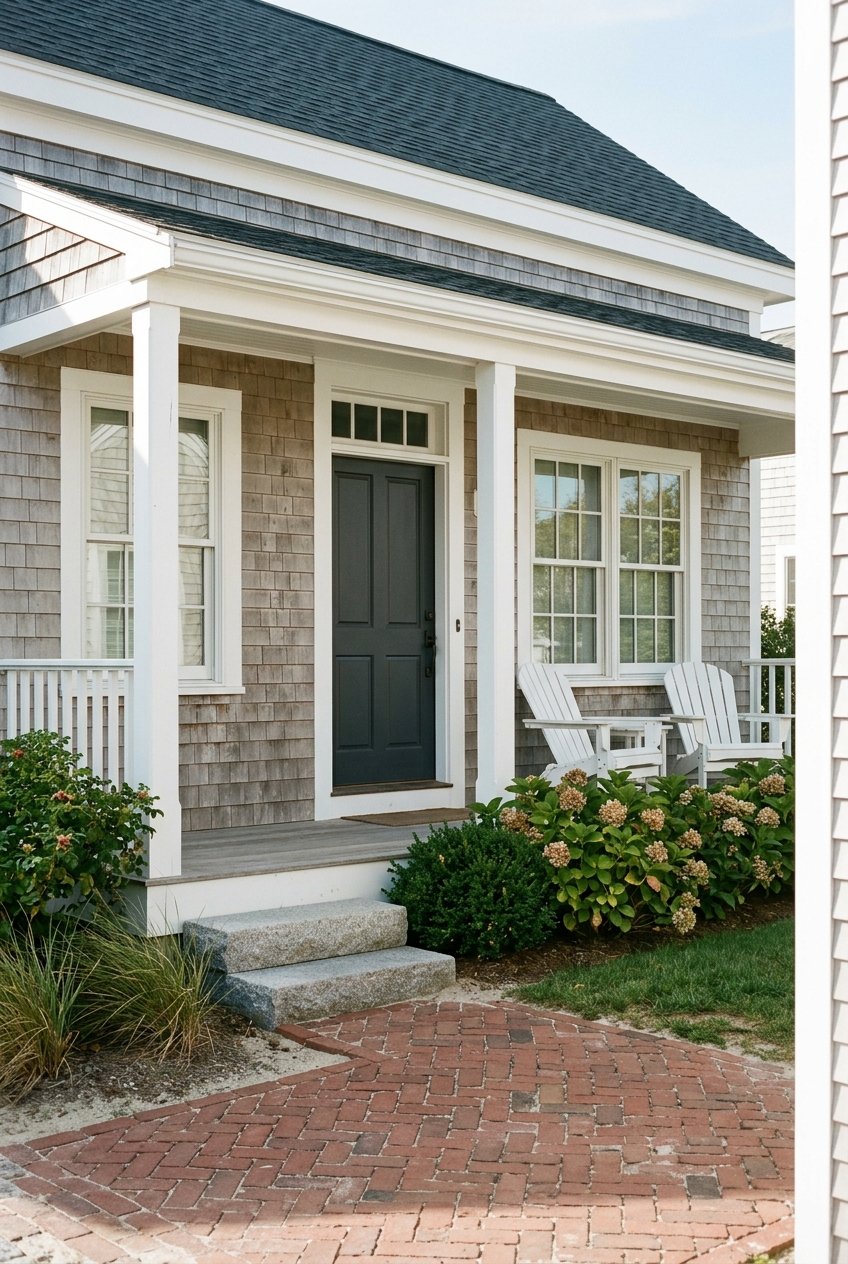
1. Curb Appeal and Exterior Condition
The first aspect to observe is the home’s curb appeal and overall exterior condition. This includes the state of the landscaping, the appearance of the roof, siding, windows, and any structural elements like driveways and walkways. A well-maintained exterior often reflects long-term care and can help you avoid immediate repair expenses. The home’s exterior also sets the tone for how the rest of the property has been managed over time.
2. Layout and Flow
Next, it's crucial to evaluate the layout and flow of the home. A functional floor plan should feel intuitive and meet your everyday needs. Whether it’s an open-concept living space, defined rooms, or multi-level design, the arrangement of the home should support your lifestyle and future plans. Consider the placement of bedrooms, bathrooms, and common areas, and how they interact within the space.
3. Interior Condition
Look at the condition of the interior. It’s important to look beyond decorative finishes and assess the true state of the home. Details like wall cracks, uneven flooring, peeling paint, or signs of water damage can signal underlying issues. Look for structural soundness, working doors and windows, and quality flooring. This contributes to a home’s integrity and should not be overlooked.
4. Major Systems and Appliances
Another priority is inspecting the home’s major systems and appliances. These include the HVAC system, water heater, electrical panel, and plumbing. Understanding the age, condition, and maintenance history of these components can help you anticipate future costs. Functional kitchen appliances, updated systems, and proper insulation all impact the comfort, safety, and efficiency of the home.
5. Neighborhood and Location
Finally, take note of the surrounding neighborhood and location. The area where the home is situated plays a major role in your daily life and long-term investment. Factors such as local amenities, commute times, school districts, and community atmosphere all contribute to a property's desirability. In Long Island, where townships and villages vary widely in character, this step is especially important.
Final Thoughts
Keeping these five essentials in mind during home tours will help you stay grounded, avoid emotional decision-making, and focus on what truly matters. Touring a property is more than a walkthrough, it's an opportunity to envision your future and ensure your investment is a smart one.